


Detention & Layover Pay — What You're Actually Owed for Waiting
Sitting three hours at a dock or stuck overnight between loads isn't just annoying. It's your time, and often your money. This breaks down what detention and layover pay really are, how much is normal, and how to make sure you actually collect.
Detention pay compensates you for waiting past the grace window
Detention (or "detention time") is when you're held at a shipper or receiver longer than the agreed free period to get loaded or unloaded. The widely quoted industry standard is a 2-hour grace window; once you pass it, you're supposed to become eligible for an hourly detention rate. It exists because your time has value: a truck parked at a dock earns nothing.
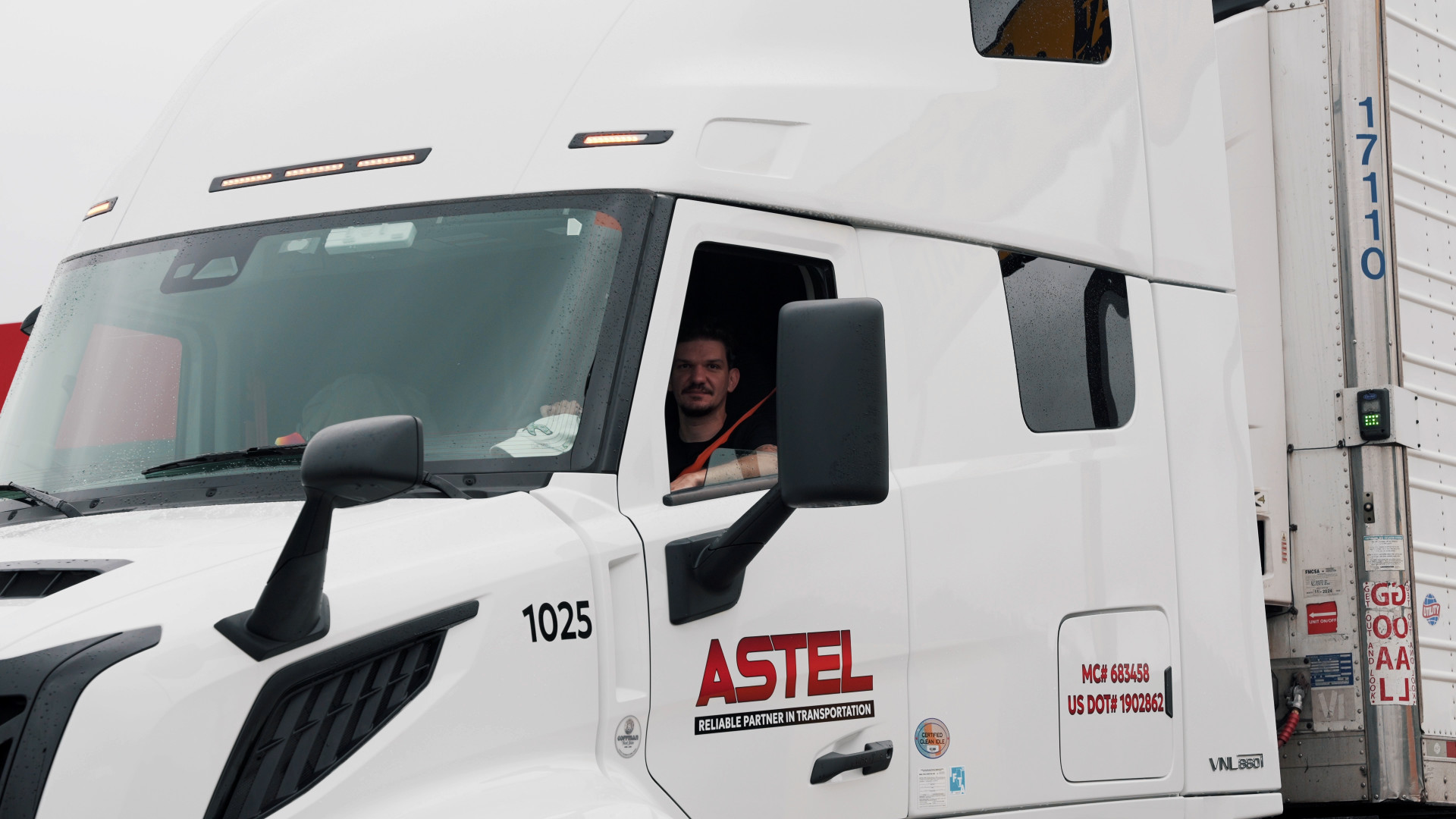
Reality check, though: detention is far from guaranteed. A lot of brokers simply don't pay it; others only start the clock after 4–5 hours, and the rate can be anywhere from $20 to $50 an hour. A carrier can typically only forward detention to a driver if the broker actually paid it on that load; otherwise the company has to cover it out of its own margin. So the real question isn't the industry standard. It's what this company actually pays, and when. At ASTEL, that answer is $25/hour after 4 hours.
Layover pay covers a full day stranded between loads
Layover pay is different: it's for being stranded 24+ hours between assignments, for example, when your next load doesn't pick up until tomorrow. It's usually a flat daily rate rather than an hourly one.
Typical detention and layover rates in 2026
| Type | Typical range (when it's paid at all) |
|---|---|
| Detention (per hour, after grace) | ~$20–$50/hr |
| Detention, specialized / hazmat | Can reach ~$90–$125/hr |
| Layover (24h+ between loads) | Flat ~$50–$200/day (sometimes $10–$20/hr) |
| ASTEL policy | $25/hr after a 4-hour wait |
The catch is that none of this is the law
There is no federal law forcing shippers or carriers to pay detention. FMCSA has studied driver detention for years (a multi-year study wrapped up in 2025) because it hurts safety and pay, but as of now it's still policy, not regulation. That's exactly why the fine print matters: grace period length, hourly rate, daily caps, and what proof you need.
Detention costs more than the lost hours
New drivers usually miss this part: waiting at a dock usually counts as on-duty (not driving) time, which burns your 14-hour driving window under Hours of Service. So three hours of detention isn't only unpaid sitting; it can eat the clock you needed to drive real, paid miles later that day. That's why detention quietly costs more than the hourly rate suggests.
How to actually get paid
- Know the policy before you sign. Ask when detention starts, how much per hour, is there a cap, and how layover is paid.
- Document your times. Log your check-in and check-out at every dock; gate times, app timestamps, and signed bills of lading are your evidence.
- Notify dispatch early. Tell them the moment you're past the grace window, not after you leave.
- Keep your paperwork. Save the BOL and any facility receipts; that's what backs up a detention claim.
- Follow up on your settlement. Check that detention and layover actually show up on your pay statement, and ask if they don't.
Frequently asked questions
Is detention pay required by law?
No. There is no federal requirement to pay detention. It's set by your carrier's or broker's policy, so the written terms are what matter.
When does detention pay usually start?
After the free grace window, which is commonly about 2 hours from your appointment time.
What's the difference between detention and layover pay?
Detention is hourly pay for waiting too long to load/unload at a stop. Layover is usually a flat daily payment for being stuck 24+ hours between loads.
Can detention pay be more than the layover pay?
Usually no. In most policies the layover amount is the ceiling for a single wait, so even if the hourly detention math is higher, you're capped at the layover rate. Always check that cap.
Do grocery warehouses pay detention?
Almost never. Grocery distribution centers are known for long waits but typically don't pay detention, so the broker has nothing to pass on and the carrier usually can't either. Plan for it on reefer freight.
Stop waiting for free and waiting for your pay
ASTEL runs reefer freight with dispatch that respects your clock. Ask us straight about our detention and layover policy — we'll give you a straight answer.
Talk to a recruiter →Figures are 2025–2026 industry ranges and vary by carrier, lane, and freight type; they are not a guarantee of any specific rate. Detention and layover pay are set by carrier/broker policy, not federal law. Confirm current terms with the company before you sign.