
💰 How Much Does CDL School Cost in 2026? The Real Numbers
"Free CDL training!" is the most misleading four words in trucking recruitment — it's rarely free, just prepaid against your future paychecks. Here's what CDL school actually costs, how long it takes, and how to read a company-sponsored contract before you sign anything. 📊
💵 What you'll actually pay, side by side
| Path | Cost | Duration | Trade-off |
|---|---|---|---|
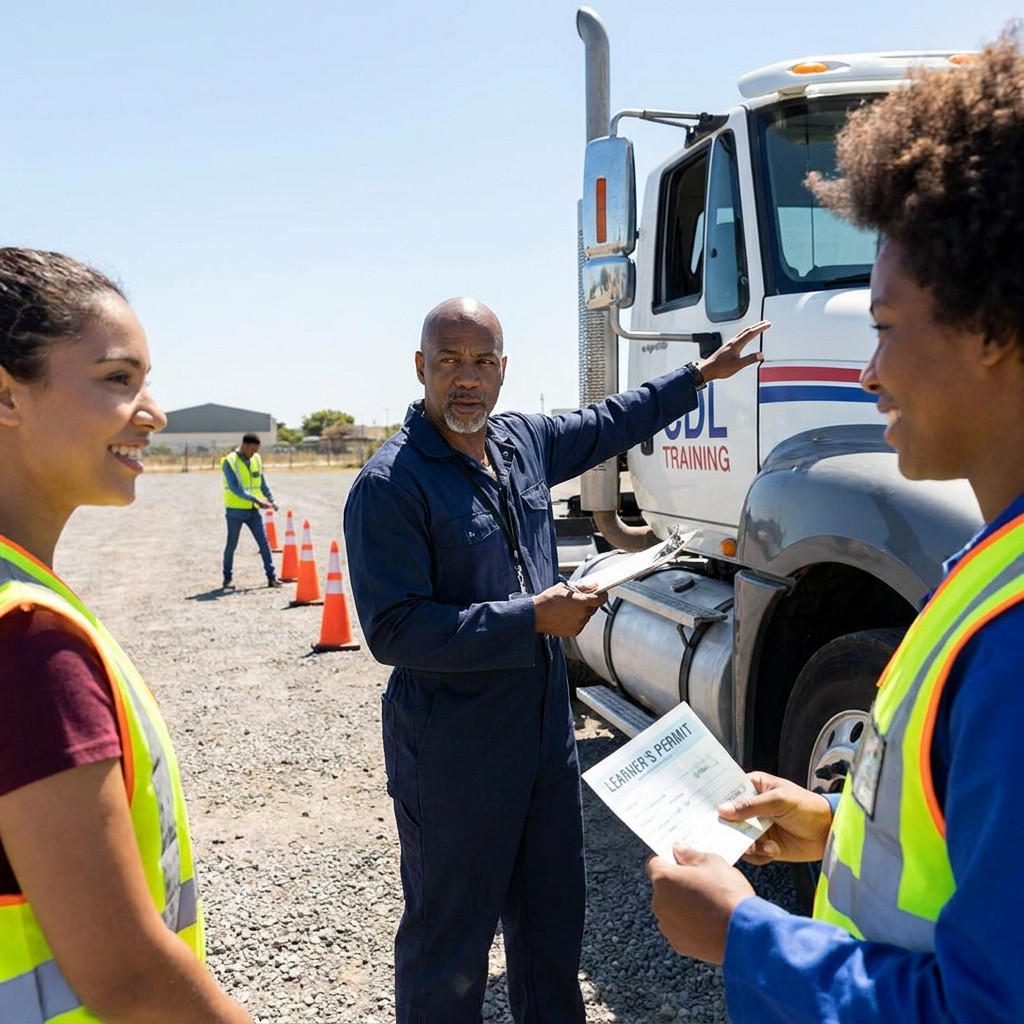
| Private CDL school | ~$3,370–$10,030 | 3–7 weeks, full-time | Fastest path; you pay upfront (or finance) |
| Community college | ~$2,000–$5,000 | 8–12 weeks, evenings/weekends | Cheapest cash cost; slowest calendar time |
| Company-sponsored | $0 upfront | 3–7 weeks + 9–15 month work commitment | No cash out, but signs you to a contract with a payback clause |
Some company programs pay a small weekly stipend during training itself, which softens the "no income while learning" problem — worth asking about directly when comparing offers.
📄 What "free" training actually means
Company-sponsored programs (run by many large carriers) cover your school costs in exchange for a signed commitment — typically 9–15 months of driving for them afterward. Read the contract for these specifics before you sign anything:
- The exact payback amount if you leave early — commonly $3,000–$7,000, sometimes prorated by months remaining.
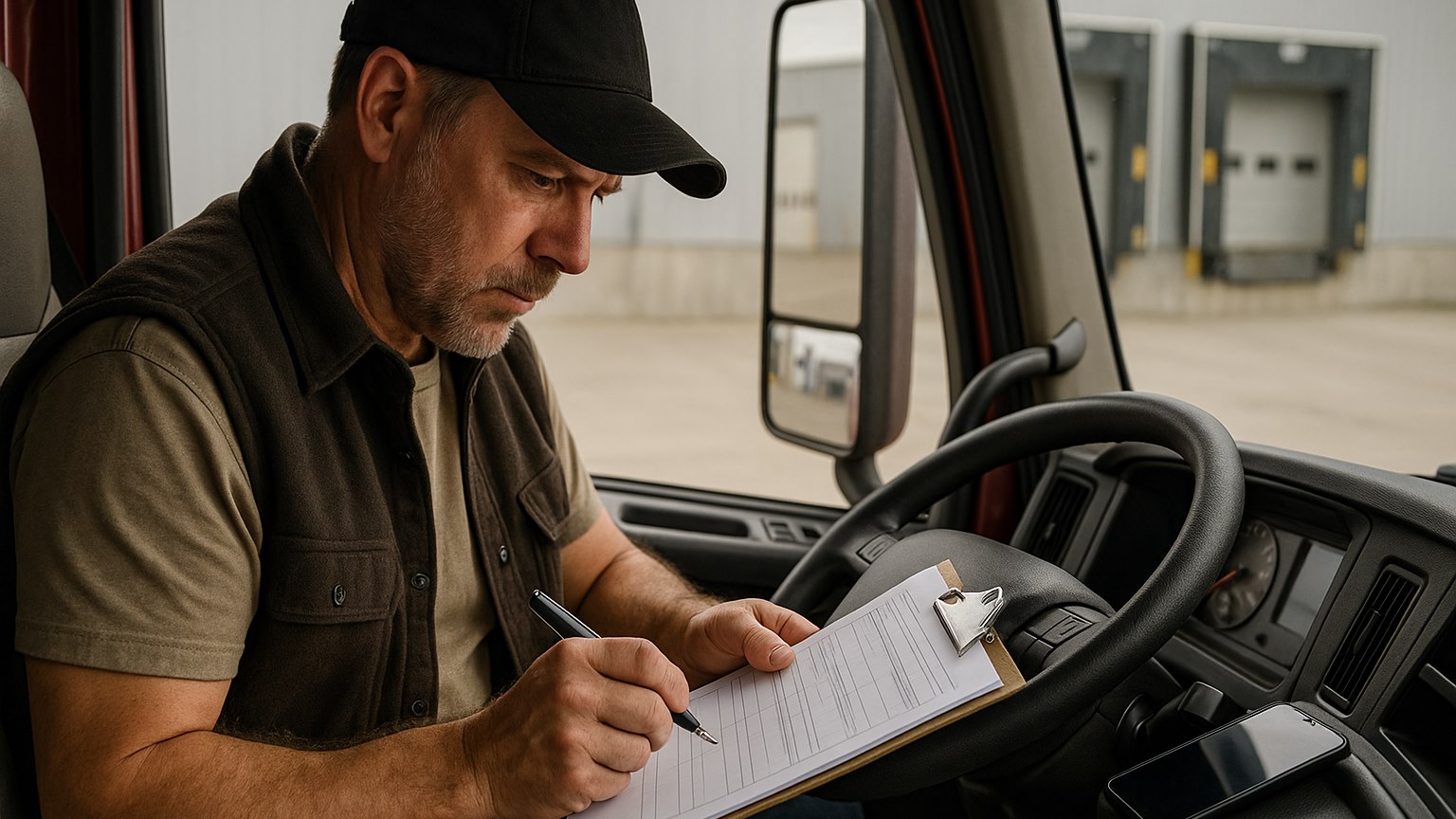
- What counts as "leaving early" — quitting, getting fired for cause, and medical inability to drive can all be treated differently.
- Whether pay during the commitment period is competitive — some rookie contracts pay below-market rates during the obligation window.
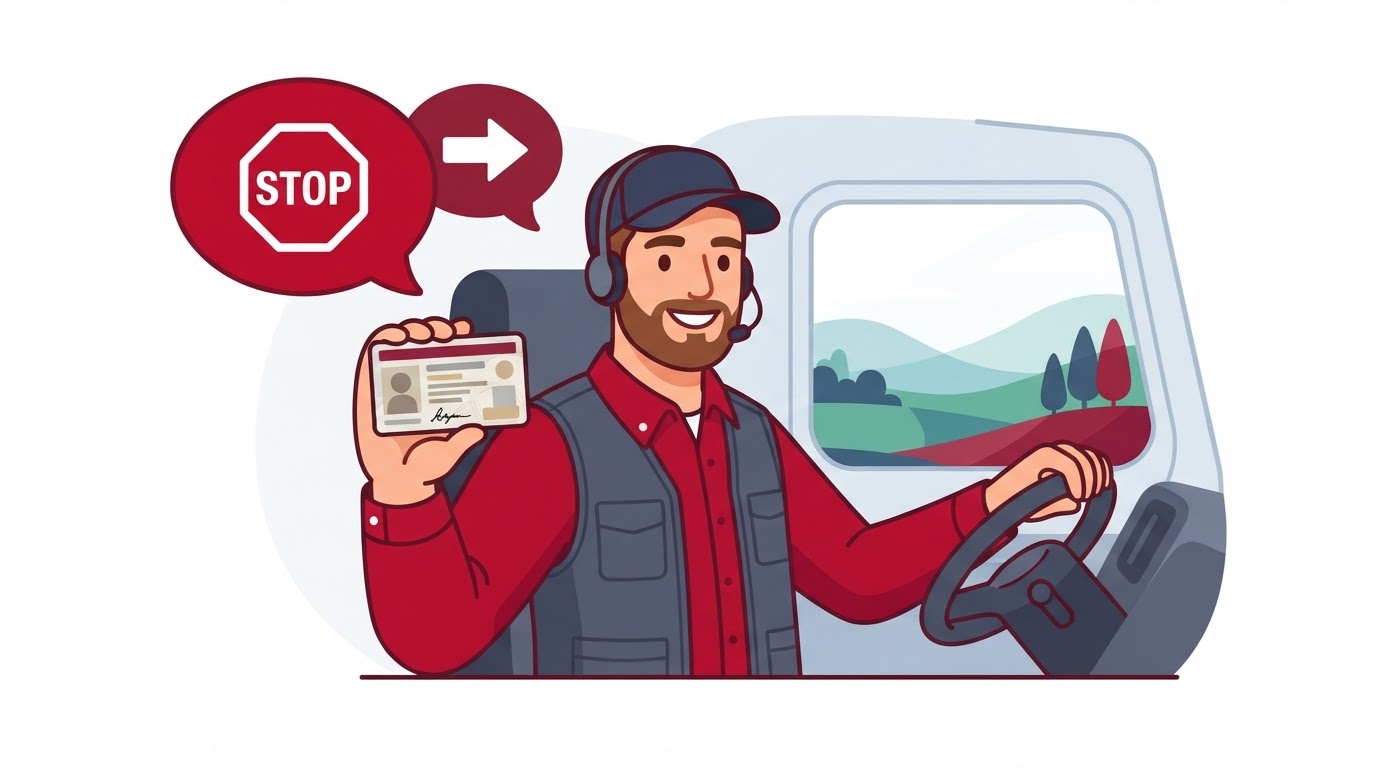
- Who owns the CDL once you finish — you do, legally, but the debt clause is what actually ties you to the company.
🧮 Financing a private school without going into debt trouble
- Compare all-in price, not just tuition — DMV fees, the DOT physical, drug screen and study materials add up fast if quoted separately.
- Ask about job placement — a school with real hiring partnerships is worth more than a slightly cheaper one with none.
- Check loan terms carefully if financing — trucking-specific loans exist, but so do predatory ones; read the APR, not just the monthly payment.
- Some carriers reimburse tuition for drivers who paid for their own private school and then join — ask before assuming you have to eat the cost alone.
✅ How to choose without regretting it
- Have savings or a short timeline? Private school is faster and debt-free if you can pay upfront.
- Tight on cash, flexible on time? Community college gets you there cheaper, just slower.
- No cash at all and comfortable with a contract? Company-sponsored works — just read the payback clause line by line first.
- Whichever path you pick, ask your target carrier about job placement and reimbursement before you enroll, not after.
❓ Frequently asked questions
How much does CDL school cost on average?
Most programs run $4,000–$10,000 all-in at private schools; community college programs cost less, typically $2,000–$5,000, but take longer.
Is company-sponsored CDL training really free?
It's free of upfront cash, but not free overall — it comes with a signed work commitment, typically 9–15 months, and a payback clause of $3,000–$7,000 if you leave early.
How long does CDL school take?
Private schools typically run 3–7 weeks full-time. Community college programs often take 8–12 weeks since classes run evenings or weekends.
What happens if I quit a company-sponsored program early?
You typically owe back some or all of the training cost, often $3,000–$7,000, sometimes prorated based on how much of the commitment period remains. Terms vary by carrier — read your contract closely.
Do CDL schools help you get hired afterward?
Many do, especially schools with hiring partnerships with carriers. Ask about job placement rates before enrolling — it's often as important as the tuition price.
🚛 Got your CDL? Let's talk about your first real paycheck.
ASTEL hires CDL-A drivers — including newcomers with no experience — with recruiters who talk to you with respect and 24/7 road support. Drivers earn $90,000–$110,000 a year, paid weekly.
Apply in 2 minutes →Figures are 2026 U.S. industry ranges and vary by state, school and carrier; they are not a guarantee of any specific price or contract term. Always get the exact cost and payback terms in writing before enrolling or signing a training agreement.