


🚛 Truck Driving Jobs With No Experience: How to Actually Start in 2026
Every driver on the road today started with zero miles. The real question isn't "can I get hired without experience" — it's "how do I get hired by a company that won't chew me up in my first year." Here's the honest playbook. 💪
🙋 Can you really get hired with zero experience?
Yes. The industry constantly needs new drivers, and plenty of carriers run structured programs for fresh CDL holders. What's also true: many fleets (and most insurers) want 1–2 years of verifiable experience, which creates the classic rookie trap — "everyone wants experience, nobody gives it." The way out is targeting rookie-friendly companies that hire straight out of CDL school and build you up with real miles. That first year of clean driving is the most valuable asset in your career: after it, almost every door opens.
🗺️ The path from zero to your first paycheck
- Pass a DOT physical. A certified medical examiner checks vision, hearing, blood pressure and general fitness. You get a medical certificate — you'll need it at every step.
- Complete ELDT theory. Since February 7, 2022, all new CDL-A applicants must finish Entry-Level Driver Training with a provider listed in FMCSA's Training Provider Registry. Theory can be done online.
- Get your CLP. Pass the knowledge tests at the DMV and receive a commercial learner's permit. You must hold it at least 14 days before the skills test.
- Do behind-the-wheel training. A CDL school (typically 1–3 months, depending on the program and how often you can attend) teaches pre-trip inspection, backing maneuvers and road driving with an ELDT-registered provider.
- Pass the CDL-A skills test. Three parts: pre-trip inspection, basic control, road test — all conducted in English.
- Pick your first company — carefully. This choice shapes your entire first year: your miles, your pay, and whether you'll still love this job in 12 months.
💵 What will you actually earn in year one?
| Metric | Typical 2026 numbers (rookies) |
|---|---|
| Starting rate (CPM) | ~$0.45–$0.60 per mile |
| First-year income, company driver | ~$55,000–$75,000 |
| Rookies with consistent OTR miles | Top of that range |
| Year two and beyond (steady miles) | $90,000+ becomes realistic |
The spread is huge, and here's why: at the same cents-per-mile, the driver who consistently gets 3,000+ miles a week earns dramatically more than the one sitting at a terminal waiting for a load. When you compare offers, ask about average weekly miles for first-year drivers — that number matters more than the headline rate.
🔍 What carriers check before hiring a rookie
- Driving record (MVR). A clean record is your strongest card. Recent DUIs or reckless-driving convictions are the hardest stops.
- Drug & Alcohol Clearinghouse. Every carrier queries the FMCSA database; a failed test follows you until you complete return-to-duty.
- Work history. Gaps are okay — just be ready to explain them honestly.
- Attitude. Recruiters forgive inexperience; they don't forgive unreliability. Showing up on time to every call already puts you ahead.
✅ How to pick your first company (the checklist)
- Are all miles paid? Loaded and empty (deadhead). If only loaded miles count, your real rate is lower than advertised.
- What are average weekly miles for new drivers — and will they put that in writing?
- Weekly pay without games: a clear settlement with no charges you weren't told about in advance.
- If there's a deposit, ask what it's for. A deposit by itself isn't a scam — many carriers hold one from drivers with very little experience, because a brand-new driver statistically causes more damage. What matters is that the amount, the reason and the conditions for getting it back are spelled out in writing before you sign.
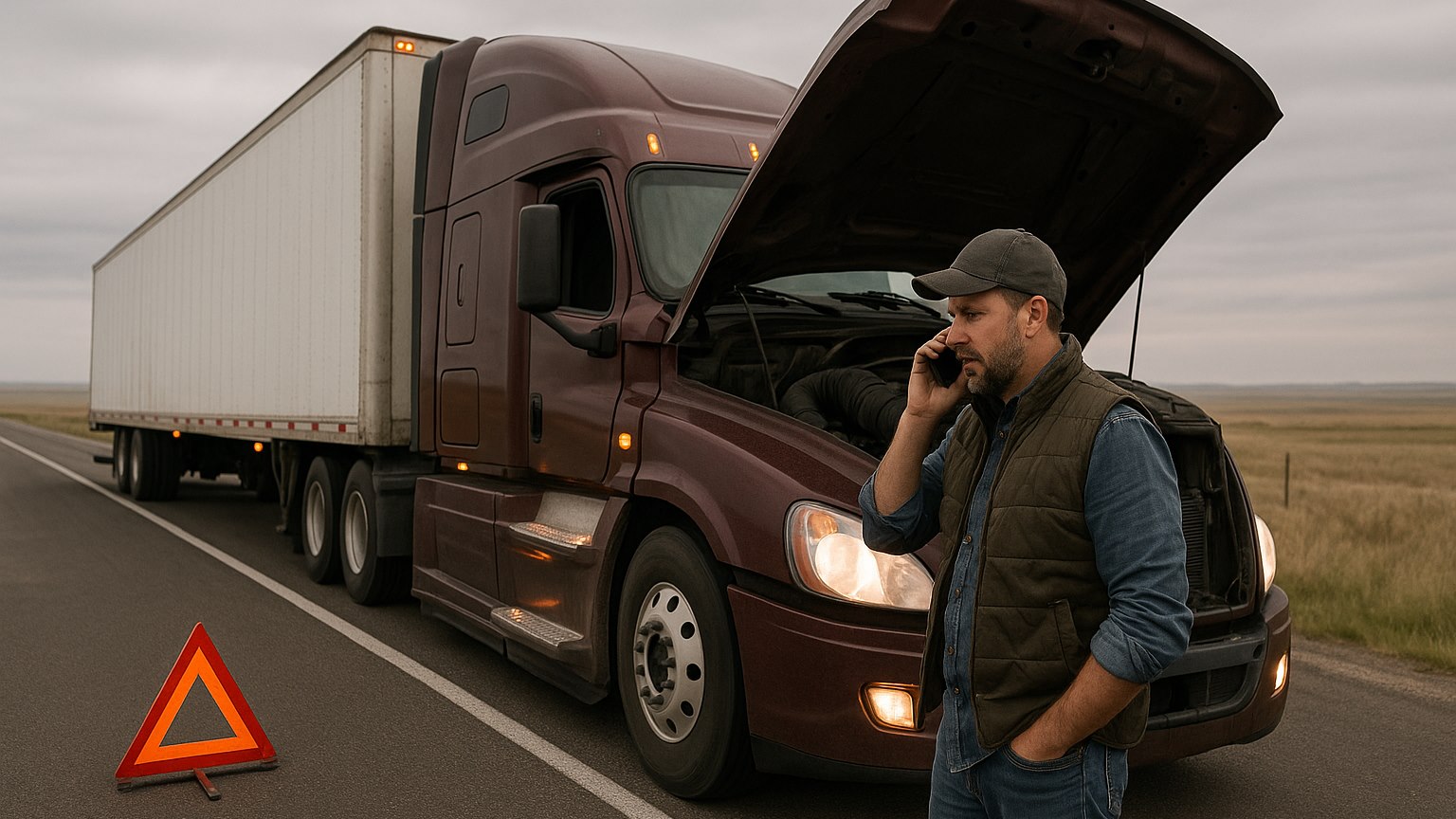
- Support at 2 a.m.: who answers when you have a breakdown or a dock problem in the middle of nowhere?
- Equipment: how old are the trucks, who fixes them, how fast?
- 🚩 Red flags: no straight answer on average weekly miles, no explanation of what your rate actually depends on, promises that don't appear anywhere in the written agreement, and recruiters who pressure you to sign today.
❓ Frequently asked questions
Can I get a truck driving job with no experience?
Yes. Many carriers hire drivers straight out of CDL school. Your first year of clean, verifiable driving then unlocks most other jobs in the industry, since many fleets and insurers ask for 1–2 years of experience.
How long does it take to become a truck driver?
Typically 2–4 months total: DOT physical, ELDT theory, learner's permit (held at least 14 days), 1–3 months of CDL school, then the skills test.
How much do first-year truck drivers make?
Most first-year company drivers earn about $55,000–$75,000, at rookie rates of roughly $0.45–$0.60 per mile. Consistent weekly miles matter more than the headline rate.
Do trucking companies pay for CDL training?
Some do, through company-sponsored schools — but usually with a contract requiring you to stay 6–12 months or repay the cost. Read the agreement before signing.
Is starting a trucking career worth it in 2026?
If you want a skilled job without a degree, with income that grows fast after year one — yes. The first year is the hardest; a good first company makes it dramatically easier.
🚛 Ready to start your first million miles?
ASTEL hires CDL-A drivers — including newcomers with no experience — with recruiters who talk to you with respect and 24/7 road support. Drivers earn $90,000–$110,000 a year, paid weekly, all miles counted.
Apply in 2 minutes →Pay figures are 2026 industry ranges for first-year drivers and vary by carrier, freight and miles; they are not a guarantee of any specific wage. ELDT requirement per FMCSA (in effect since Feb 7, 2022). Verify current requirements with your state DMV and the carrier before enrolling or signing.