


🛣️ What Is OTR Trucking? Pay, Home Time and Real Life on the Road
OTR is where trucking money actually lives — and also where the myths do. Here's what over-the-road driving really means in 2026: how the schedule works, what you'll earn, and how to tell a solid OTR job from a burnout machine. 🚛
🚚 What does OTR actually mean?
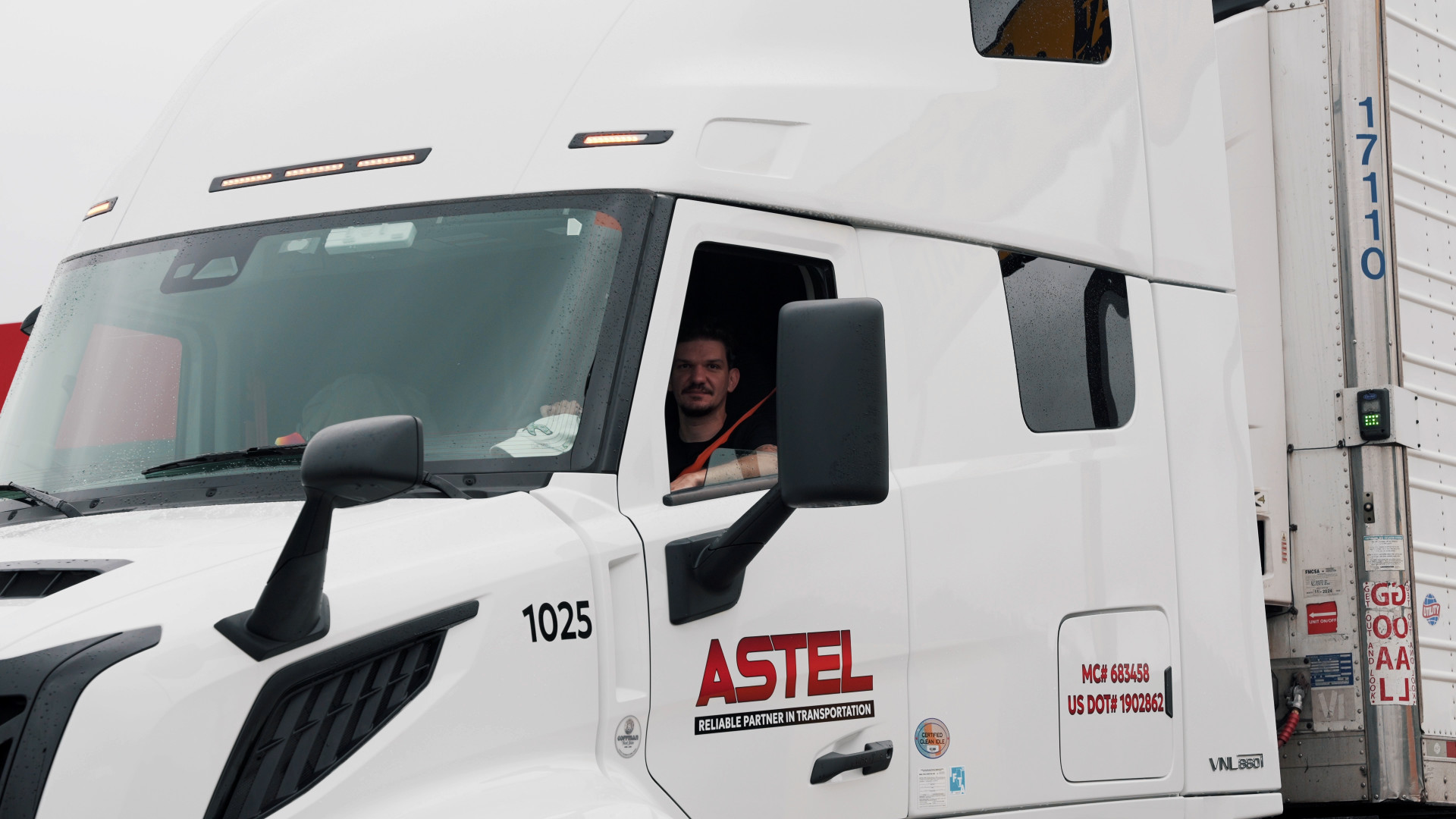
OTR stands for over-the-road — long-haul freight that crosses state lines, sometimes coast to coast. Your truck isn't just your workplace; for weeks at a time it's your home with a sleeper berth. That's the trade OTR offers: more time away, more miles — and miles are money.
| Type | Radius | Home | Earning potential |
|---|---|---|---|
| Local | ~150 miles | Every night | Lowest |
| Regional | One region (e.g., Midwest) | Weekends | Middle |
| OTR | Nationwide | Blocks of days after weeks out | Highest |
💵 How much do OTR drivers make in 2026?
A working OTR company driver typically earns $90,000–$110,000 a year, which usually means grossing $2,200–$2,700 per week. Typical rates run $0.60–$0.75 per mile, higher with specialized freight. But here's the number nobody puts in job ads: miles per week. At $0.65/mile, the difference between 2,500 and 3,500 weekly miles is over $33,000 a year — same rate, same driver, different company. Ask about average miles first, rate second.
📏 How your miles get counted (this matters more than you think)
There are two ways a carrier can count the miles it pays you for, and the difference shows up in every settlement:
- ZIP-to-ZIP (routing software, e.g. PC*Miler): the practical mileage between the pickup ZIP code and the delivery ZIP code. This is what most carriers use.
- Odometer (hub) miles: the actual miles your truck rolled. Sounds fairer at first glance — but very few carriers pay this way, and there's a blunt reason: some drivers deliberately add loops and detours to pad the odometer. Once the miles you're paid for depend on how far you personally chose to drive, the whole system gets gamed.
So don't read ZIP-to-ZIP as "they're shorting my miles" — read it as a standardized number both sides can verify. The question worth asking a recruiter is different: are deadhead (empty) miles paid too, or only loaded ones? That single answer changes your real per-mile rate far more than the counting method does. At ASTEL, all miles are paid ZIP-to-ZIP — loaded and empty.
🕐 What's the schedule really like?
- Weeks out: most OTR fleets run 3–6 weeks out, then home time. A common formula is about 1 day home for every 2–4 days on the road — often taken as 4–7 days after 3–4 weeks out.
- Driving limits: federal Hours of Service allow up to 11 hours driving within a 14-hour window, then a 10-hour break; expect 600–700 miles on a good day.
- Your duty cycle: on-duty time is capped by cycle, not by calendar week — 60 hours in any 7 days, or 70 hours in any 8 days, depending on which cycle your carrier runs. Driving, docks, fueling and inspections all count against it.
- Life on the road: truck stops, planning showers and parking ahead, cooking in the sleeper if you're smart about money — it's a lifestyle, not just a job.
⚖️ The honest pros and cons
Pros: the highest company-driver pay in trucking, no daily boss over your shoulder, the whole country through your windshield, and skills that make you hireable anywhere after the first year.
Cons: weeks away from family, sleep schedule built around loads, dock waits that test your patience, and health that you have to actively defend (food, walking, sleep). OTR is honest hard work — anyone who tells you otherwise is selling something.
✅ How to spot a good OTR job
- Miles in writing: average weekly miles for drivers like you — not "up to."
- All miles paid (loaded + deadhead) and a transparent, weekly settlement.
- Home time policy that's specific: "4 weeks out, 1 week home" beats "flexible home time" every time.
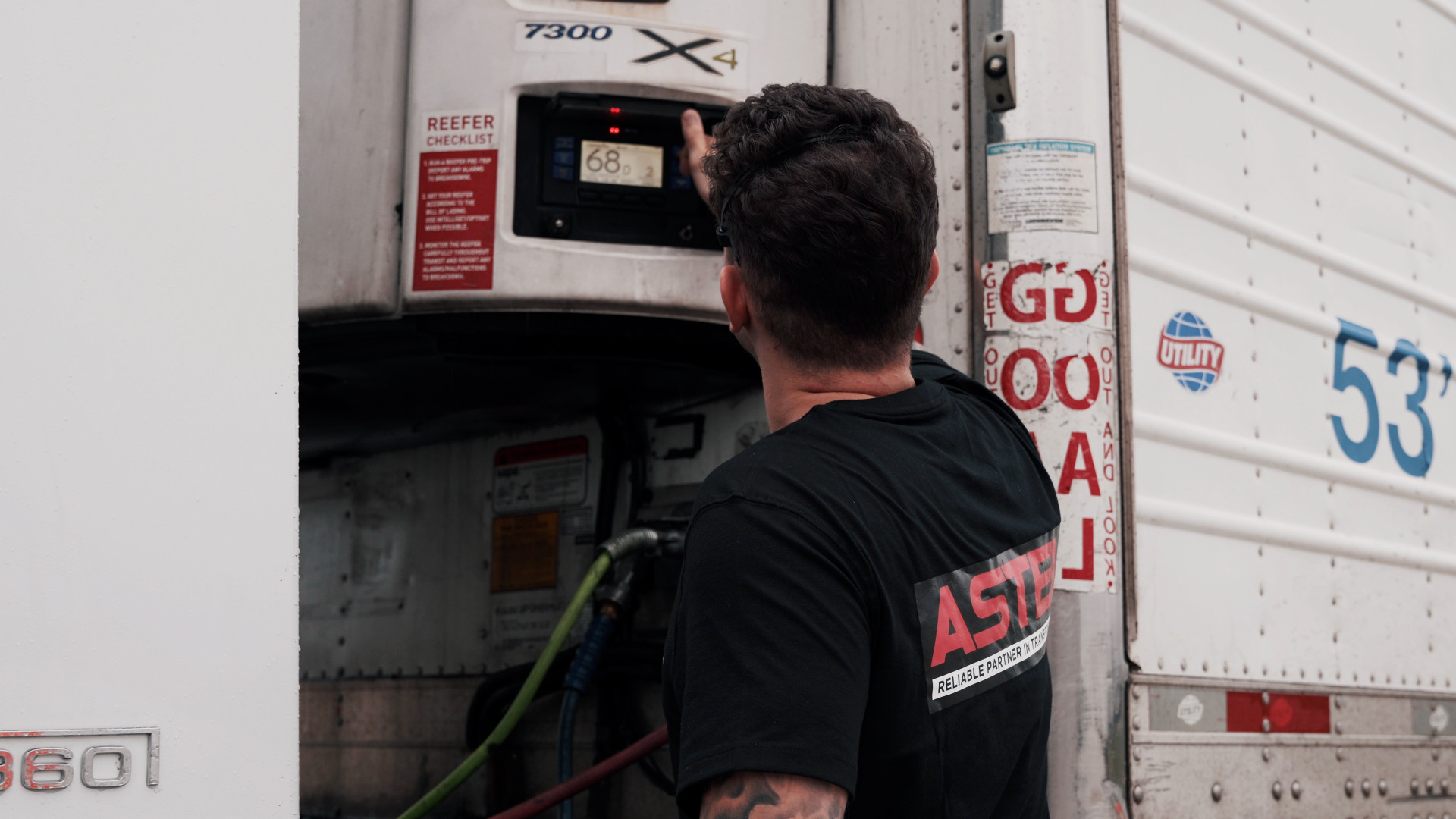
- Freight that moves year-round — reefer is the classic example — so your January paycheck looks like your October one.
- People you can reach: dispatch that answers at night, mechanics that fix things fast, an owner who knows drivers by name.
❓ Frequently asked questions
What does OTR stand for in trucking?
Over-the-road: long-haul driving across states where drivers stay out for weeks at a time, sleeping in the truck's sleeper berth, rather than returning home daily.
How long are OTR truck drivers away from home?
Commonly 3–6 weeks out, then a block of home days. A typical formula is about 1 day home for every 2–4 days on the road; some fleets run fixed schedules like 4 weeks out, 1 week home.
How much do OTR drivers make in 2026?
A working OTR company driver typically earns $90,000–$110,000 a year, which usually means grossing $2,200–$2,700 per week at $0.60–$0.75 per mile. Weekly miles matter as much as the rate.
Is OTR trucking worth it?
If you want the highest company-driver pay and don't mind weeks away from home — yes. It fits best early in a career or whenever maximizing income is the priority.
What's the difference between OTR and regional trucking?
Regional drivers stay within one part of the country and are usually home weekends; OTR drivers run nationwide and stay out for weeks, but typically earn noticeably more.
🚛 Want OTR miles that don't disappear in spring?
ASTEL runs reefer freight year-round: 3,500–3,700 miles a week in season, all miles paid ZIP-to-ZIP, weekly pay, no deposit — on a 4+1 schedule. Drivers earn $90,000–$110,000 a year.
Apply in 2 minutes →Pay figures are typical 2026 ranges for working OTR company drivers and vary by carrier, freight type, lanes and miles; they are not a guarantee of any specific wage. Hours of Service rules per FMCSA. Confirm current pay terms, mileage calculation and home-time policy with the carrier before you sign.