

Understanding Your Pay Statement (CPM, % of Gross & Deductions Explained)
Your pay statement is where a recruiter's promises meet reality. If you can read it line by line, no one can quietly short you. This page decodes every part: how you're paid, what gets deducted, and the mileage question that trips up so many drivers.
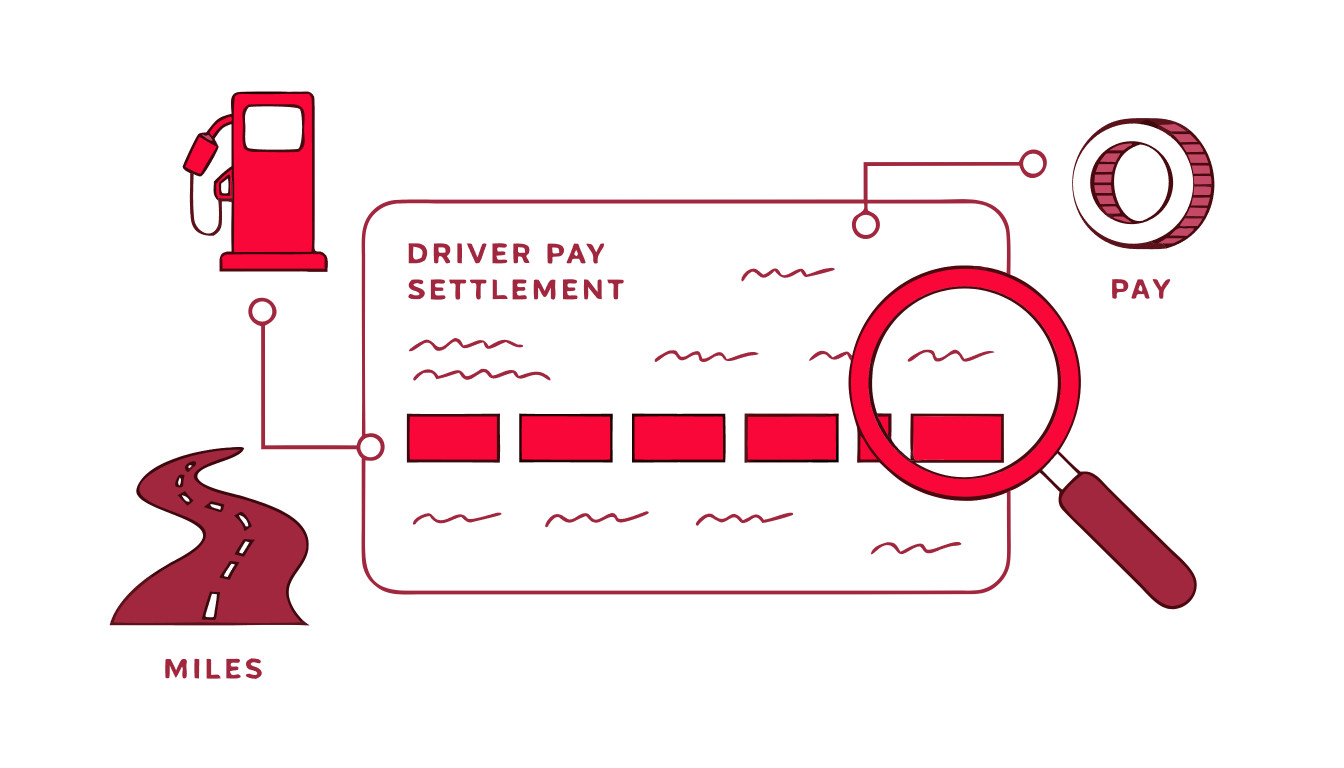
A settlement is your itemized pay breakdown
It's the itemized breakdown of how your pay was calculated for a period, usually weekly. It shows everything you earned, everything taken out, and the net that lands in your account. This guide is written for 1099 contract drivers, the common setup in reefer/OTR, including percentage-paid company drivers and owner-operators. (W-2 employee pay stubs work a bit differently, with taxes withheld for you.)
How you get paid on the earnings side
There are two main pay models, and your statement will be built on one of them:
- CPM (cents per mile). Your linehaul equals paid miles times your rate per mile.
- % of gross. You're paid a percentage of the load's total revenue (the "gross"). Typical splits: owner-operators around 80 to 90% of gross, percentage company drivers around 28 to 33%. On this model the rate of the load is what drives your check. Higher-paying freight, like reefer, means a bigger number for the same percentage.
On top of linehaul you'll see:
- Accessorial pay. Extras like detention, layover, stop-off and extra-pickup pay, each should be its own line.
- Loaded vs empty (deadhead). Check whether empty miles between loads are paid. Good carriers pay all dispatched miles, loaded and empty.
- Bonuses. Safety, fuel, or referral bonuses.
Which miles get paid, ZIP-to-ZIP or odometer
This is the line drivers argue about most, so it's worth understanding honestly. Miles are usually counted one of two ways, and each carrier picks one:
- ZIP-to-ZIP. Mileage software measures the distance from the pickup ZIP code to the delivery ZIP code.
- Odometer (hub miles). Every actual mile the truck rolls.
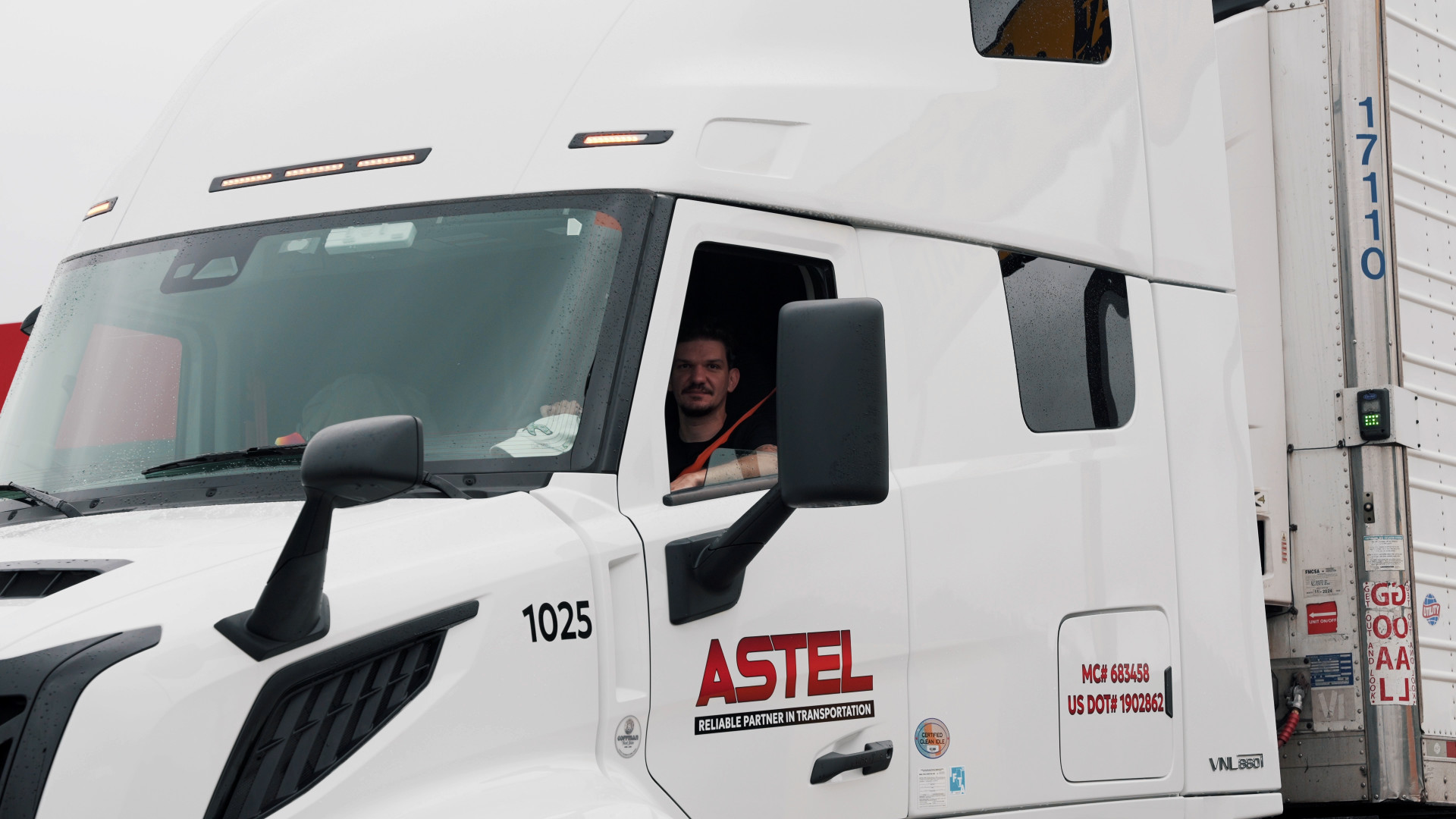
At ASTEL we pay ZIP-to-ZIP. That doesn't mean a company is cutting your miles. There's a real reason so many carriers moved to it. On odometer pay, some drivers would deliberately take the long way on every load, padding an extra 50, 100, or more miles to inflate their pay, while the company still had to cover the extra fuel they burned. ZIP-to-ZIP calculates mileage automatically and consistently for the same route, so pay stays fair and predictable and no one games it. It isn't the company cheating the driver. It's a standardized, honest way to count, and a carrier paying ZIP-to-ZIP is a normal, reasonable choice.
The deductions side is where money quietly disappears
As a 1099 contractor, no income tax is withheld for you; you handle your own taxes. Instead, the deductions you'll typically see are:
- ELD / logbook fee. Often around $200 (sometimes held like a small escrow).
- Insurance. Not just health/occupational-accident, but often Cargo & Liability insurance and Physical Damage on the truck.
- Escrow. A reserve the carrier holds (commonly around $2,500) for maintenance/damages. Escrow isn't only for owner-operators; company drivers on contract often have it too. It should be defined in your contract and refundable.
- Advances. Anything the company already fronted you: fuel-card/cash advances, and often flights or Uber to get you to the truck.
- Owner-operator extras. Fuel, truck lease/rental, plates, permits.
A simple example (% of gross)
| Line | Amount |
|---|---|
| Load gross (revenue) | $5,000 |
| Driver pay (30% of gross) | $1,500 |
| Detention (accessorial) | $50 |
| Earnings | $1,550 |
| Cargo & Liability insurance | −$150 |
| ELD / logbook | −$25 |
| Escrow build-up | −$100 |
| Fuel-card advance | −$75 |
| Net (take-home) | $1,200 |
Illustration only, since percentages and insurance costs, plus escrow amounts, vary by carrier and contract.
Red flags to check every week
- Deductions you never agreed to, or that change without notice.
- Accessorials (detention, layover, stop pay) you earned but that never show up.
- The wrong percentage or CPM vs. what you were promised.
- Escrow that keeps growing but is never explained or returned when you leave.
- Advances (flights, Uber, fuel) deducted twice.
Frequently asked questions
What does CPM mean?
CPM is cents per mile, the rate you're paid for each paid mile. Multiply your paid miles by your CPM to get your linehaul pay.
What does "% of gross" mean?
You're paid a percentage of the load's total revenue (its gross). Owner-operators typically get around 80 to 90%; percentage company drivers around 28 to 33%. Higher-rate freight means a bigger check for the same percentage.
What is ZIP-to-ZIP pay, and is it worse than odometer miles?
ZIP-to-ZIP means mileage is measured from the pickup ZIP to the delivery ZIP by software, instead of counting odometer miles. It isn't cutting your miles. It's a standardized, consistent way to calculate pay for a route, and it stops drivers from padding miles by taking the long way. It's a normal, fair choice.
What are accessorials?
Accessorials are extra payments beyond linehaul: detention, layover, stop-off pay, extra pickups. They should appear as separate lines on your settlement.
Drive for a carrier whose settlement you can actually understand
ASTEL keeps driver pay clear and honest: all miles paid — loaded and empty — on transparent ZIP-to-ZIP mileage, weekly pay (same day before noon), and no surprise deductions. Drivers earn $110,000–$150,000 a year.
Apply in 2 minutes →General information for 1099 contract drivers, not tax or legal advice; pay plans, percentages, insurance, escrow and mileage bases vary by carrier and contract, and tax treatment depends on your situation. Confirm the exact terms in your contract, and consult a tax professional for your own case.