

Class A vs Class B CDL and the Pay Gap Between Them
Two licenses, one letter apart, and $40,000–$60,000 a year between them. Class A and Class B CDL open different doors: one leads to local routes and home every night, the other to the interstate and the biggest paychecks in driving. This is the practical difference, without DMV language.
Weight ratings set the two classes apart
The classes are defined by weight ratings, not by vehicle type. What matters is two numbers: the combined weight rating of the rig and the weight rating of whatever you're towing.
| Class A | Class B | |
|---|---|---|
| Definition | Combination vehicles with a gross combination weight rating of 26,001+ lbs, where the towed unit is rated over 10,000 lbs | A single vehicle rated 26,001+ lbs; may tow a trailer rated up to 10,000 lbs |
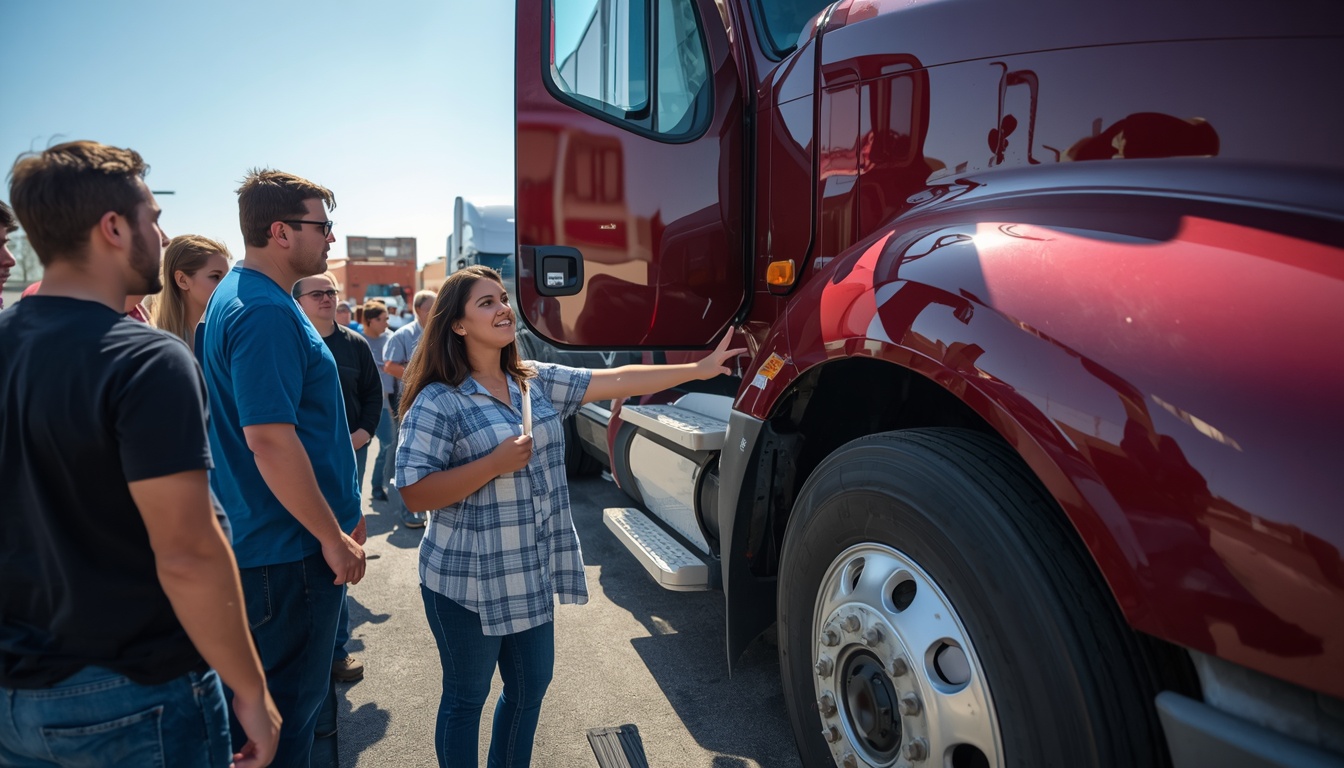
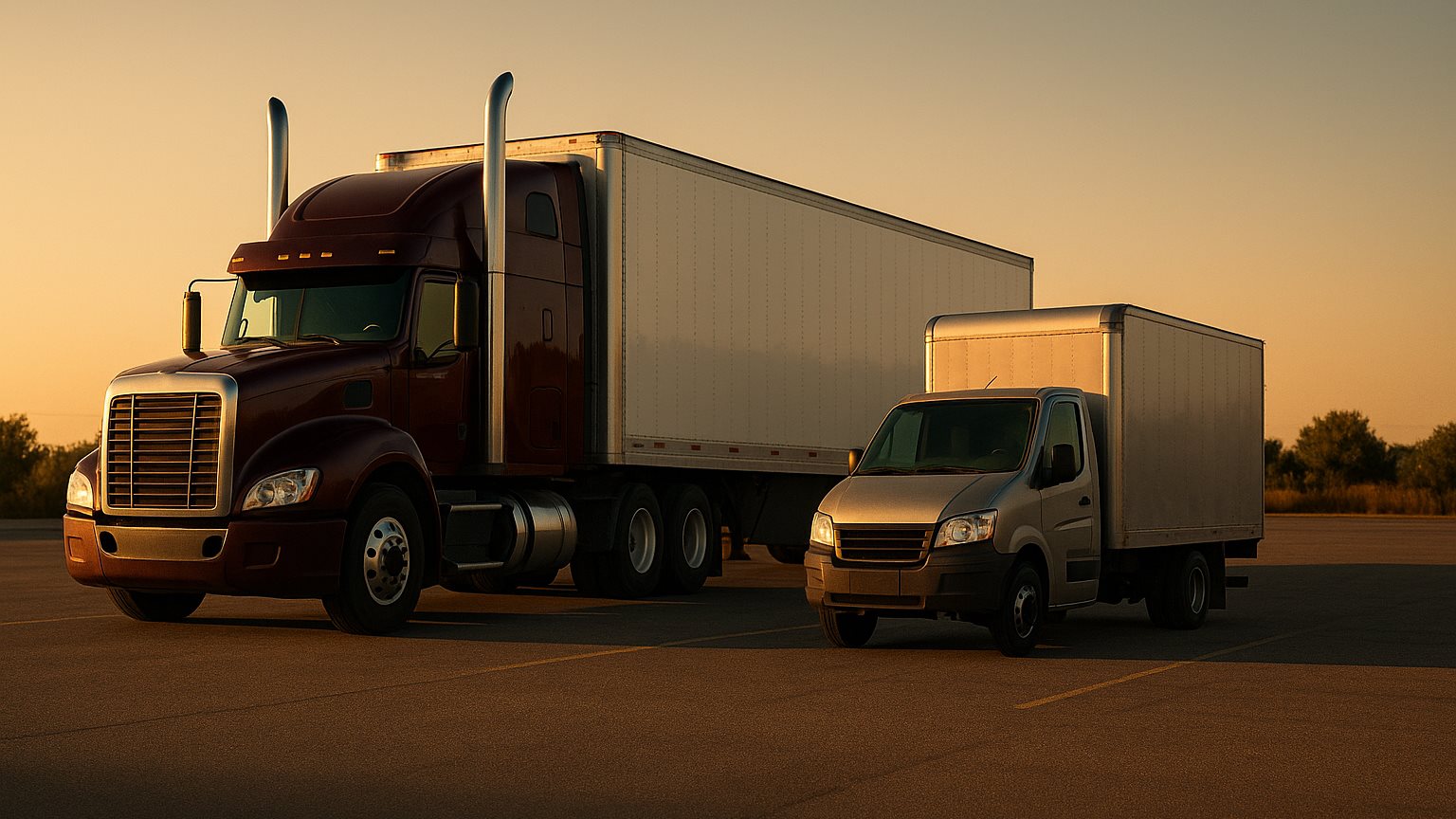
| Typical vehicles | Semi truck + 53' trailer (dry van, reefer, flatbed), tankers, doubles | Straight/box trucks, dump trucks, cement mixers, buses (with P endorsement), garbage trucks |
| Typical work | OTR, regional and local freight, the whole trucking industry | Local delivery, construction, municipal work, passenger transport |
| Average pay (2026) | $90,000–$110,000/year; OTR pays the top of the range | ~$49,000/year average |
| Home time | OTR: weeks out; local/regional Class A exists too | Usually home daily |
| Can it drive the other's vehicles? | Mostly yes. Class A generally covers Class B vehicles (endorsements permitting) | No. A Class B holder cannot pull a heavy trailer |
Freight economics explain the pay gap
The heavy combination, a tractor pulling 40,000+ lbs of cargo across states, is where the industry's money moves, so that's where driver pay concentrates. Class A drivers earn $90,000–$110,000 against $49,000 for Class B (see our driver pay breakdown). Class B buys something different: predictable local days and nights at home. That's a fair trade for some, but it's a lifestyle choice, not a money one.
Class A costs barely more to get than Class B
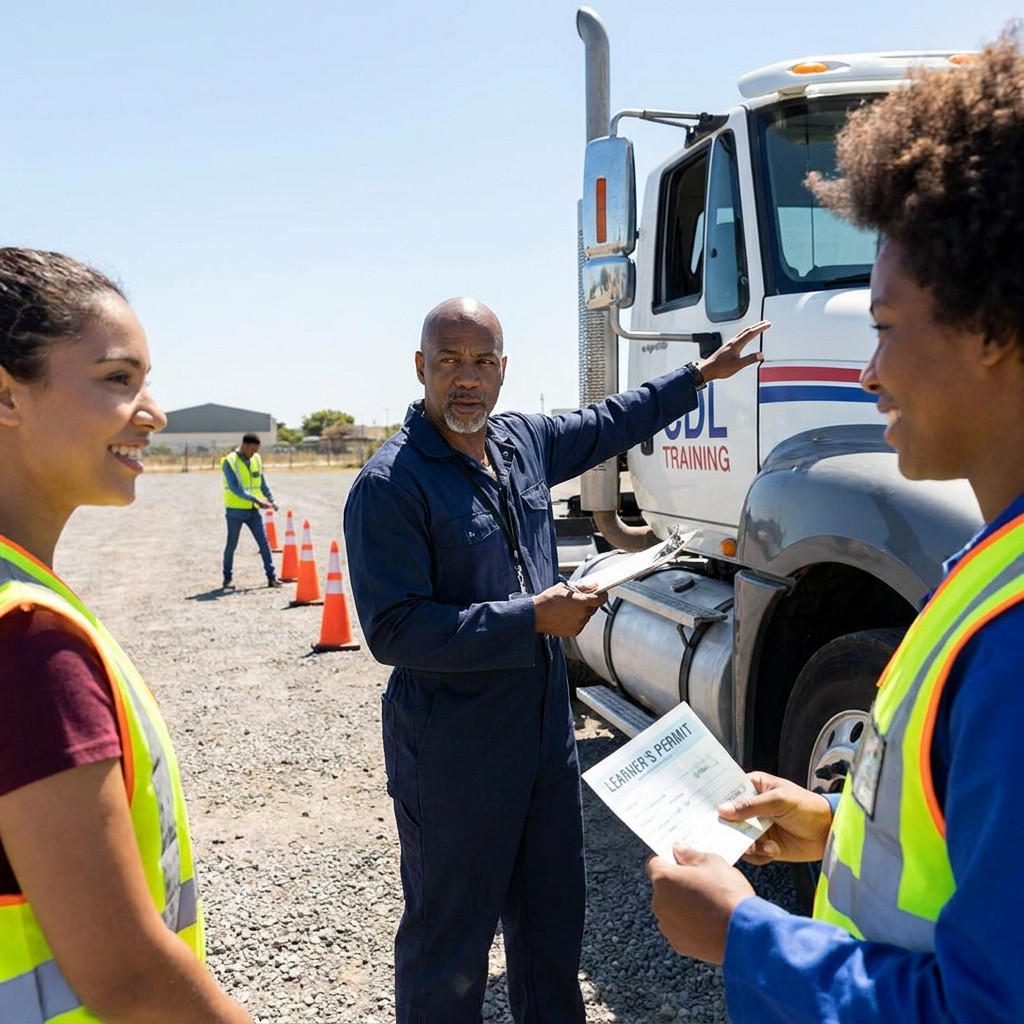
Both classes require the federal ELDT training (since February 2022) from a registered provider, both need a DOT physical, a knowledge test for the permit, and a three-part skills test. The differences show up in three places.
- Cost. Private CDL schools run roughly $3,400–$10,000, community colleges $2,000–$5,000. Class B programs are somewhat cheaper, but not dramatically (full numbers in what CDL school costs).
- Time. Training typically takes 1–3 months for either class; Class A programs sit at the longer end because you learn coupling, backing a 53-foot trailer and air brake work on a combination.
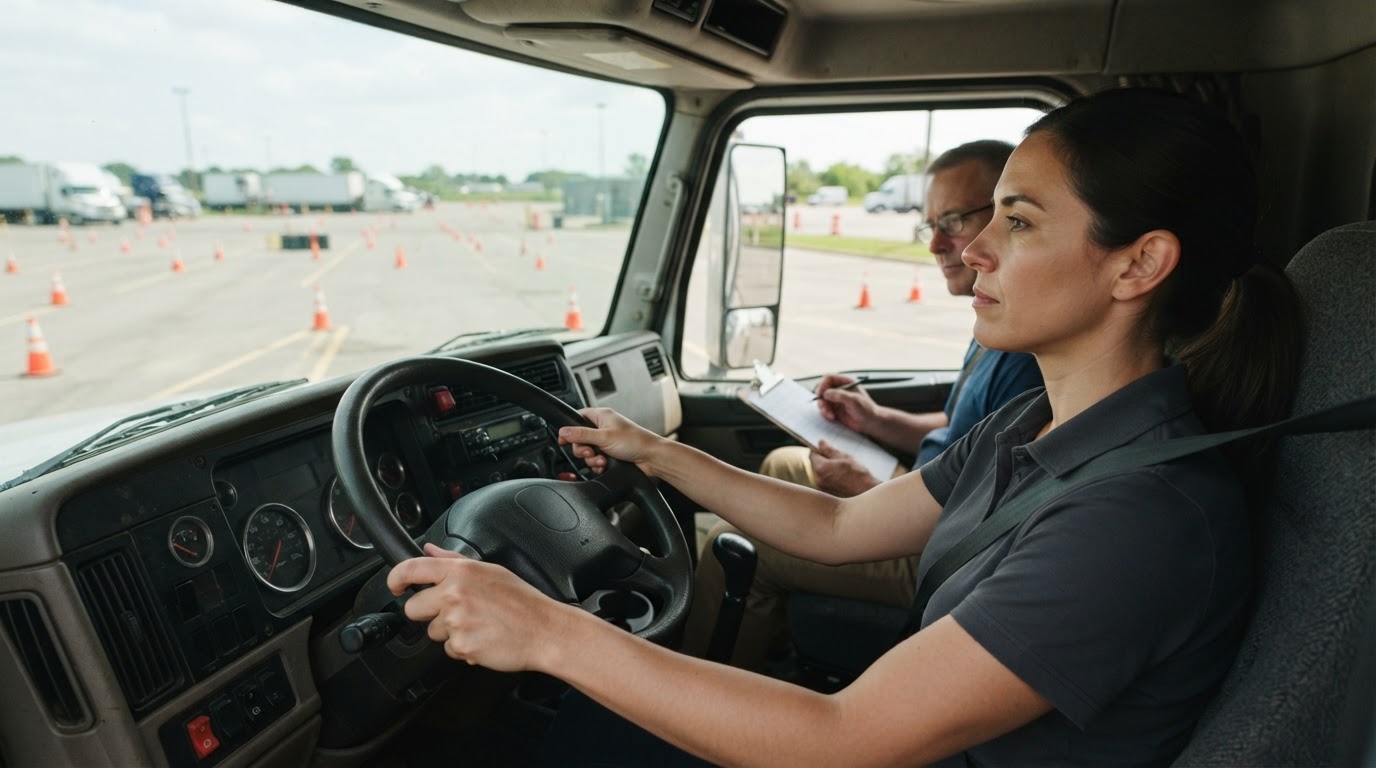
- Exam. The Class A skills test adds combination-vehicle inspection points and trailer maneuvers. It's harder, but it's the same three-part structure.
Similar investment, a very different ceiling. That asymmetry is the whole argument.
Class B still makes sense in three situations
Class B is the right call in specific situations, and it's fair to name them.
- Home every night. Local delivery, construction and municipal jobs are overwhelmingly Class B and home-daily.
- Set on buses. Transit and school bus work runs on Class B with a passenger endorsement.
- A funded seat. A specific employer is paying for a specific Class B seat, and a funded license today can beat a self-funded one tomorrow. Just know what ceiling you're accepting.
If none of those describe you and the goal is income, the standard path is Class A: school, permit, skills test, first job. We've covered each step: how to get a CDL and landing the first job without experience.
Frequently asked questions
What is the main difference between Class A and Class B CDL?
The trailer. Class A covers combinations where the towed unit is rated over 10,000 lbs (a semi with a full-size trailer); Class B covers a single heavy vehicle towing at most 10,000 lbs, box trucks, dump trucks, buses.
Can a Class A driver operate Class B vehicles?
Generally yes. Class A covers most Class B vehicles, provided you hold any required endorsements (passenger, tanker, etc.). The reverse is not true: Class B never authorizes a heavy trailer.
How much more does a Class A driver earn?
In 2026, Class A drivers earn $90,000–$110,000 a year versus about $49,000 for Class B, a gap of $40,000–$60,000, with OTR work paying the top of the range.
Is Class A CDL school longer than Class B?
Somewhat. Both typically fit in 1–3 months; Class A sits at the longer end because of combination skills: coupling, trailer backing, air brakes on a full rig. Costs are in the same range for both.
Can I upgrade from Class B to Class A later?
Yes, but it means going back through ELDT upgrade training and the Class A skills test. If OTR income is even a maybe, starting with Class A is cheaper than upgrading later.
Getting your Class A? There's a seat at the end of it.
ASTEL hires CDL-A drivers for year-round reefer freight — including drivers at the start of their career. Experienced drivers earn $90,000–$110,000 a year, paid weekly, with a direct line to the owner.
Apply in 2 minutes →License class definitions per FMCSA (49 CFR 383.91); pay figures are 2026 working ranges from industry data (Class B average per public salary aggregators) — actual pay varies widely by region, experience and freight; school cost ranges from published program pricing. Verify your state's licensing specifics with its DMV. This article is general information, not legal advice.