

Reefer Freight Seasons and Why the Miles Peak When They Do
Dry van freight follows the economy. Reefer freight follows something older and far more reliable: the harvest calendar and three meals a day. If you pull a refrigerated trailer (or you're deciding whether to), understanding the seasons is understanding your paycheck. Below is the year, month by month, from behind the wheel.
The reefer year at a glance
| Months | What's moving | Where the action is |
|---|---|---|
| Jan–Mar | Winter vegetables, citrus, year-round grocery | Yuma/Imperial Valley greens head north and east; Florida citrus; steady retail replenishment |
| Apr–Jun | Produce season opens: berries, melons, early vegetables | Florida, Georgia, south Texas ramp first; California builds through June |
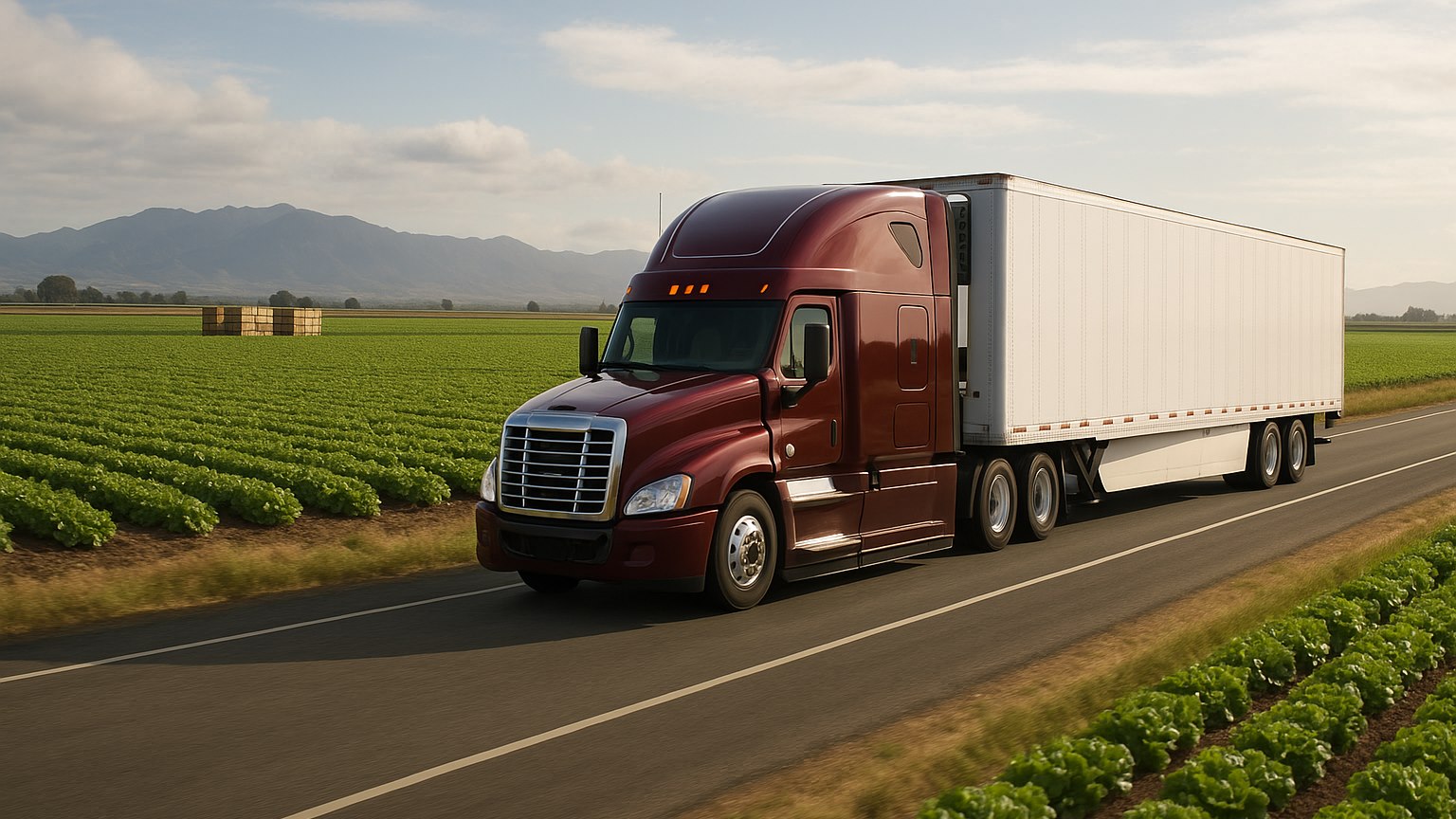
| Jul–Sep | Peak harvest: stone fruit, lettuce, tomatoes, melons | California's Salinas and Central valleys at full tilt; Northwest cherries; Midwest vegetables |
| Oct–Dec | Apples, Idaho potatoes, late harvest, then the holiday grocery push | Washington apple country; Idaho potato sheds shipping for Thanksgiving (turkey and potatoes move on the same deadline); December retail is the grocery Super Bowl |
Two calendars stack on top of each other: the harvest, regional and moving with the sun, and grocery retail, national, spiking around holidays, never really stopping. That double engine is why reefer's floor sits so much higher than dry van's. We compared the two trailers head-to-head in Reefer vs Dry Van.
Winter's open secret is Yuma
Every November, America's salad bowl picks itself up and moves to the desert. The fields around Yuma, Arizona supply the large majority of the country's winter leafy greens. Dry van drivers wait out the January lull. Reefer trucks are hauling lettuce out of Arizona in volume, and cold-chain lanes out of the Southwest stay busy precisely when the rest of trucking is quietest. It's one reason Arizona is a strategic base point for reefer fleets. See our Arizona driver page for how those lanes run.
What seasons do to your paycheck
- Miles follow demand. In peak stretches, strong reefer drivers post 3,500–3,700 miles a week, and multiplying that by a per-mile rate is why peak months build the year. The full formula lives in how driver pay works.
- Produce season tightens capacity. When harvest volume spikes, refrigerated trailers get scarce; freight gets urgent, appointment windows get real. Dependable drivers become the asset everyone wants.
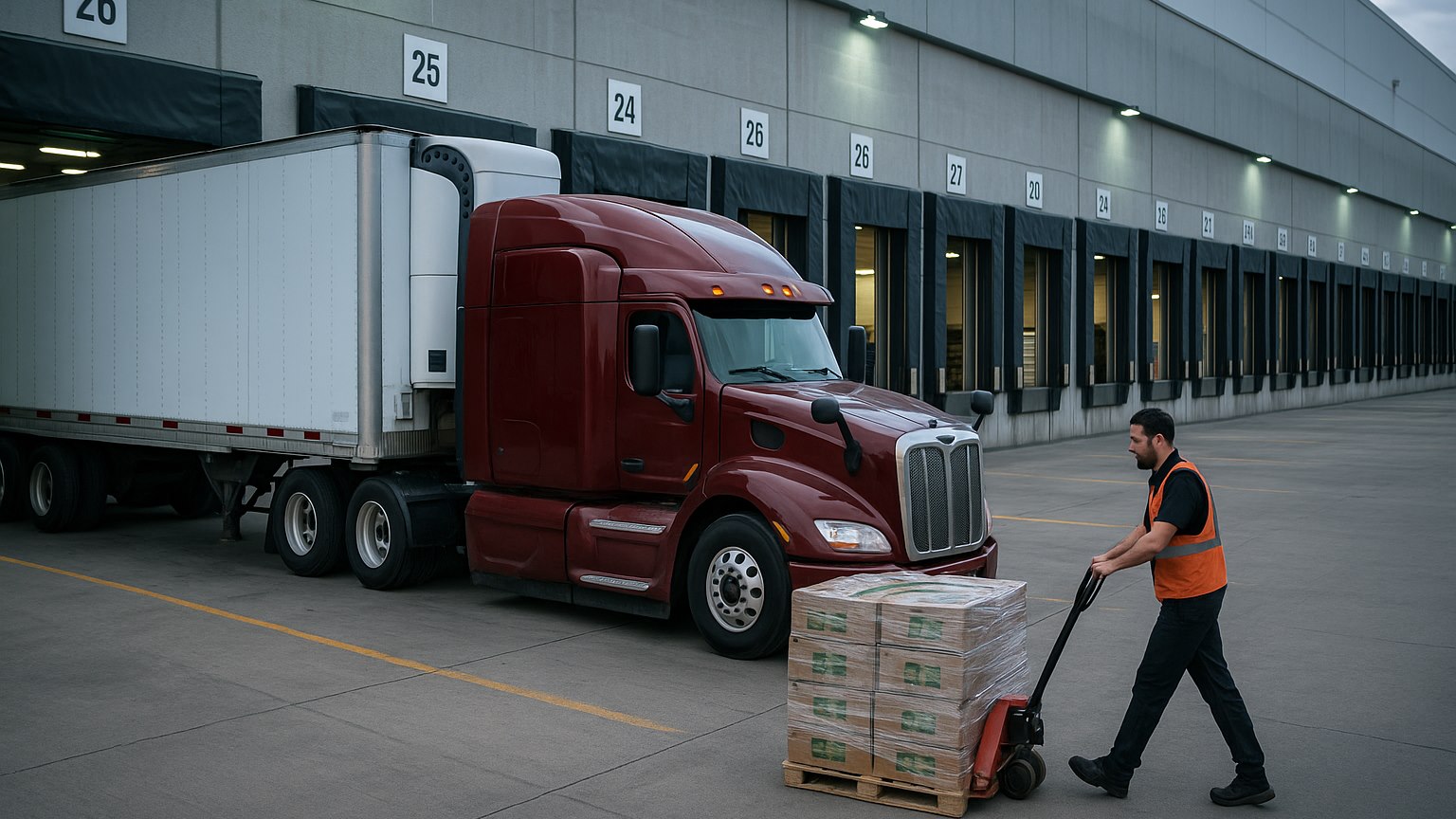
- Holiday push rewards planning. November through December, grocery moves on hard deadlines. The Thanksgiving turkey and the Idaho potatoes next to it both have to be on the shelf on time. Drivers who run those weeks cleanly earn their reputation (and their December numbers) for the whole year.
- Winter is a skill premium. Reefer's winter strength means winter driving, mountain passes included. Preparation is a system, not a mood: our winter driving guide is the checklist.
Seasonal craft for hauling the harvest without claims
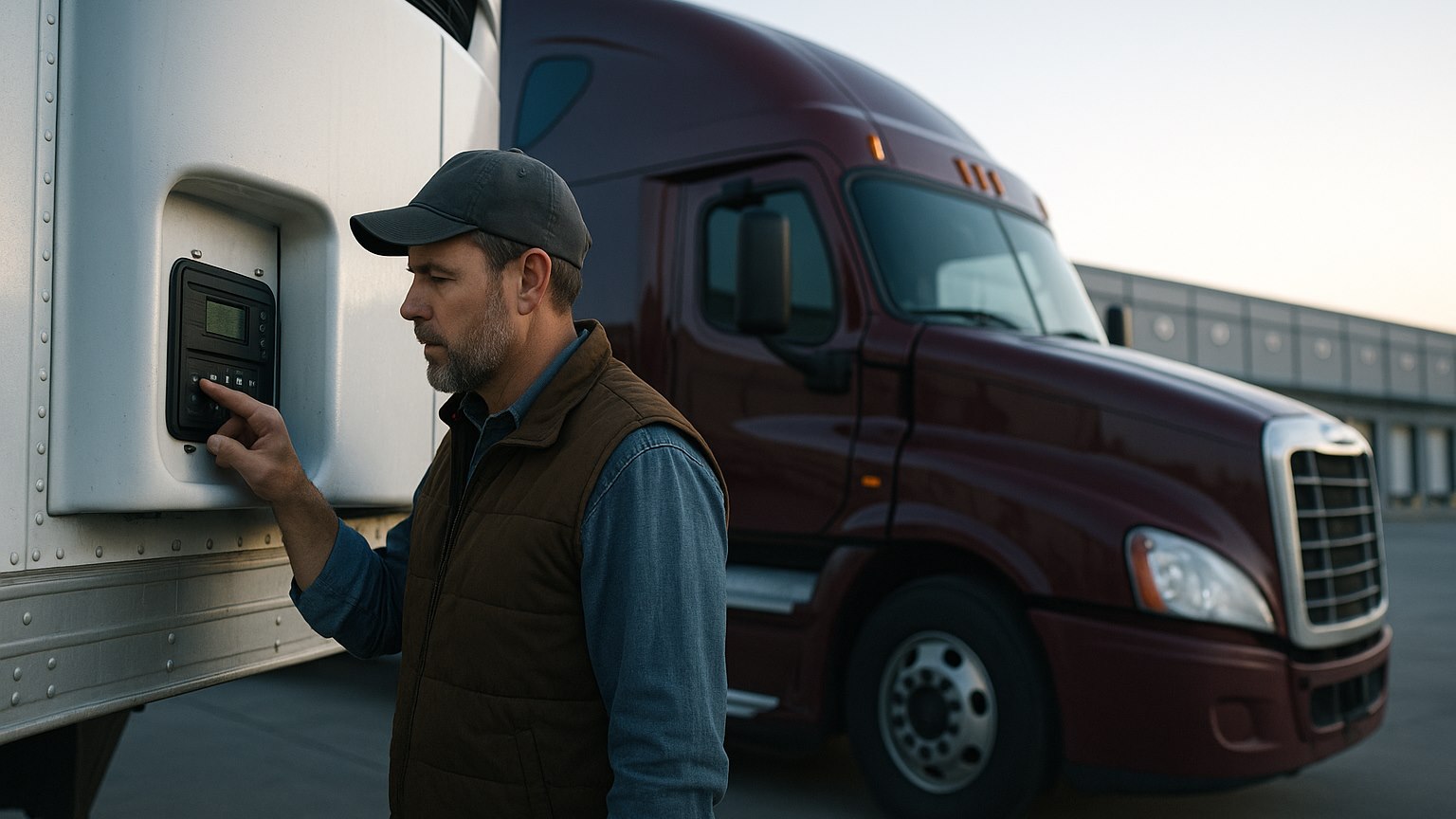
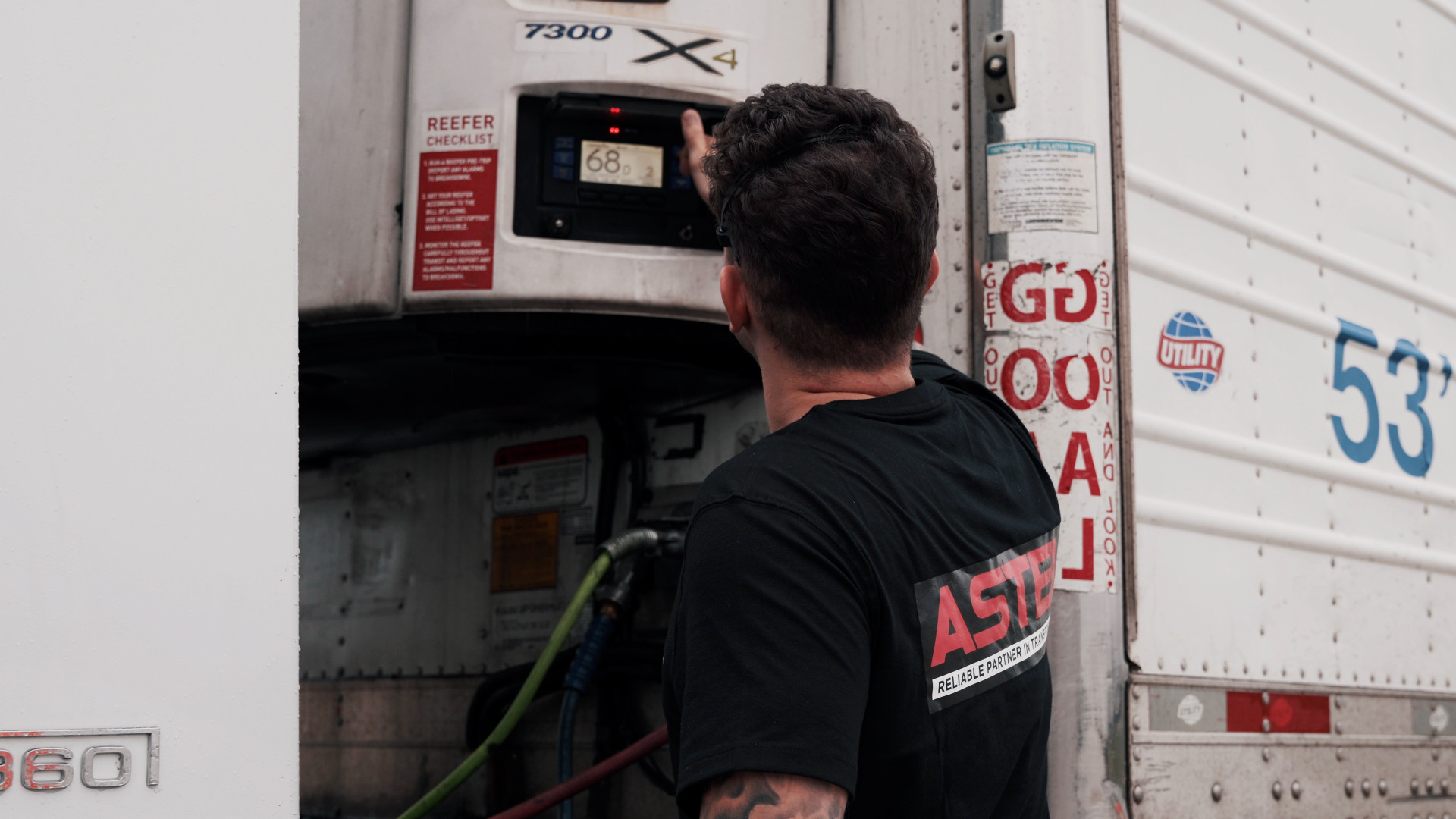
Peak season loads are less forgiving: fresh produce is money on a timer. The habits that keep it claim-free (pre-cooling to the Rate Confirmation temp, running Continuous mode for fresh produce, pulping the product instead of trusting the air reading) are the core of our reefer load guide. In produce season those habits stop being "best practice" and start being the difference between a clean year and an expensive one.
Choosing a reefer company with seasons in mind
The seasonal lens gives you three sharp interview questions.
- "What do your trucks haul in January?" Tests whether their lane network really covers winter.
- "What's a realistic weekly mileage range in peak vs off-peak?" Turns marketing into numbers.
- "Which produce regions do you run?" Reveals whether their freight follows the harvest or chases the spot market.
The rest of the company-vetting checklist (insurance, equipment age, how they treat breakdowns) is in how to choose a reefer company.
Frequently asked questions
Is reefer freight year-round?
Yes. Groceries move every week of the year, and regional harvests stack on top: Florida and Texas in spring, California in summer, apples in fall, Arizona greens in winter. That's why reefer demand has a much higher floor than dry van.
What is produce season in trucking?
The stretch, roughly spring through early fall, when fresh harvest volume surges and refrigerated capacity tightens. It starts in the southern states in spring and moves north and west with the growing season.
When is the busiest time for reefer drivers?
It depends on a fleet's lanes; carriers running southwestern winter produce and holiday grocery typically peak roughly August through March, with strong drivers posting 3,500–3,700 miles a week in season.
Why is Yuma, Arizona important for reefer trucking?
It grows the greens. The Yuma area supplies the large majority of America's winter leafy greens, and from about November to March, high volumes of lettuce and greens ship out of southwest Arizona, keeping reefer lanes busy in the months when general freight is slowest.
Does reefer pay more than dry van?
Reefer typically pays somewhat better and, more importantly, steadier, because food demand doesn't pause. The trade-off is more discipline: temperatures, appointments and produce-season urgency.
Freight that follows the harvest all year
ASTEL runs refrigerated freight year-round on West↔Midwest lanes, with the peak season stretching August through March at 3,500–3,700 miles a week. Drivers earn $90,000–$110,000 a year with weekly pay and all miles paid, loaded and deadhead.
Apply in 2 minutes →Harvest windows and regional patterns reflect USDA crop calendars and common industry practice as of 2026; exact timing shifts with weather and market conditions. Mileage figures describe peak-season ranges at lanes-matched reefer fleets, not guarantees. This article is general information.