

Multi-Stop Reefer Loads Without Warm Pallets and Missing Cases
Multi-stop reefer loads look easy on the dispatch screen: one pickup, four deliveries, a few hundred miles. In practice every stop opens the doors, breaks a seal, takes pallets off and leaves the rest of the load to ride differently. A driver who gets the order wrong at the shipper spends the afternoon moving pallets inside a running reefer at the second store. One who forgets to write down the new seal number has no answer when the third receiver finds a case missing.
Here is an example of how such a run is built. Say you pick up 22 pallets of dairy and produce at a distribution warehouse near Indianapolis for four grocery stores in Ohio and Pennsylvania. The BOL says 34°F, continuous mode. Stop 1 takes 7 pallets in Dayton at 6 a.m., stop 2 takes 5 in Columbus at 10, stop 3 takes 6 near Pittsburgh at 3 p.m., and the last 4 go to a store outside Harrisburg the next morning. Four appointments, four doors, three new seals.
Seven steps from the shipper to the last store
- Before loading, ask for the stop list and confirm the order. The last stop goes to the nose, the first to the doors.
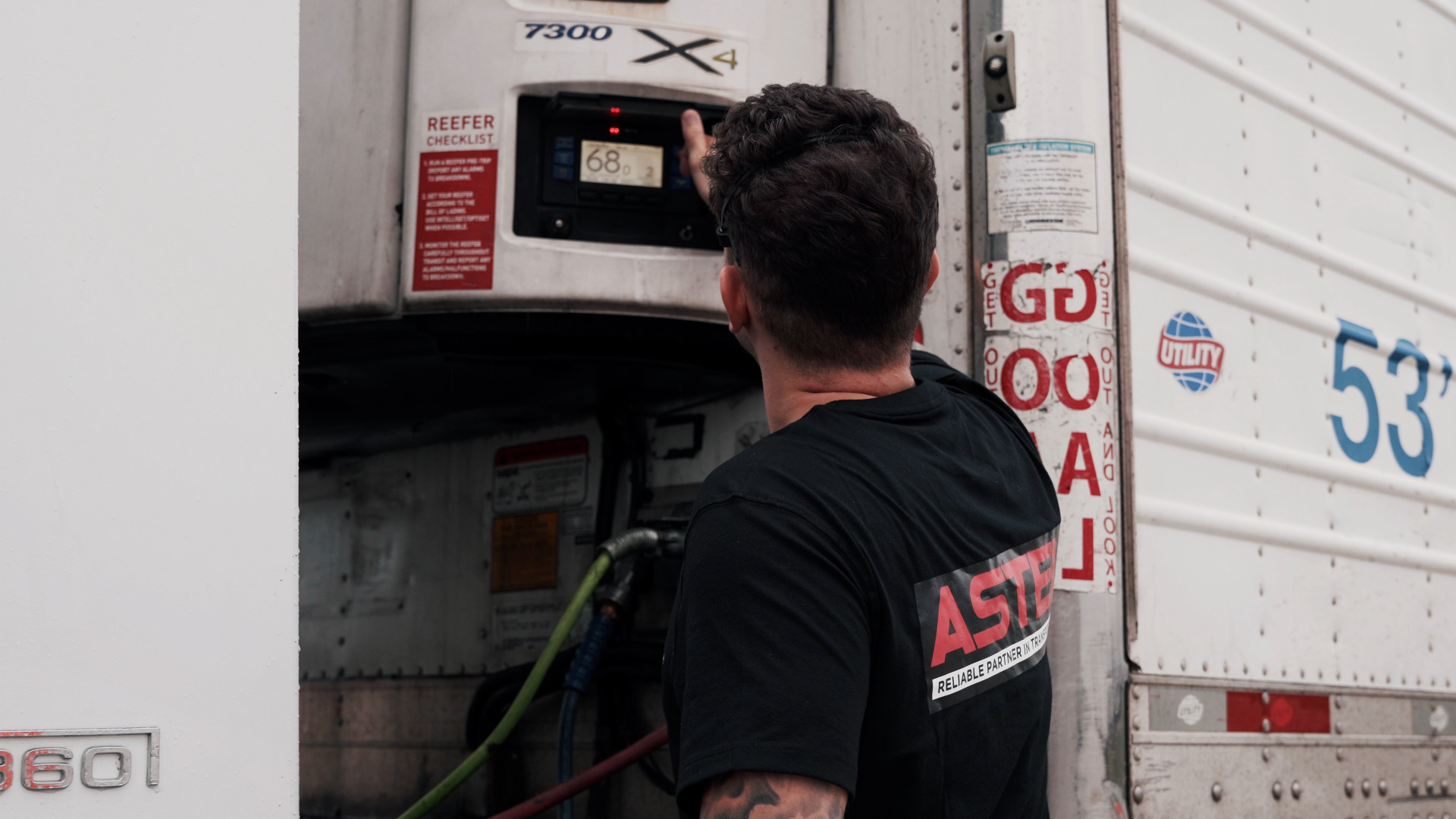
- Check the set point and mode against the BOL, and confirm the trailer was pre-cooled if the shipper asked for it.
- Watch how the pallets are labeled. A sheet with the store name on every pallet saves arguments later.
- Get the seal number on the BOL before you pull out, with the pallet count for each stop.
- At each receiver, count with them, note any shortage on their paperwork and yours, and get a signature.
- Close up, put on a new seal, write its number on the BOL and on the receiver's copy, and secure what is left.
- Send dispatch the temperature, the new seal number and the time you left, then head to the next appointment.
None of these takes long. Skipping them is what turns a routine run into a claim for warm product or a shortage that lands on you. The general rules for BOLs and receipts are in our guide to trucking paperwork.
Loading order decides how the day goes
A reefer is a long, narrow box with one door at the back. If stop 3's pallets block stop 1's, someone has to pull pallets out onto the dock in Dayton and put them back again. That costs time at the first stop and opens the doors longer, and every extra minute with the doors open lets warm dock air into the load. Some receivers won't allow it at all.
Shippers who build multi-stop grocery loads every day usually get the order right. Problems come with mixed loads from more than one shipper and with last-minute changes. If dispatch adds or swaps a stop after you are loaded, tell them where those pallets sit in the trailer. Sometimes the cheapest fix is to change the delivery order, if the appointments allow it.
Look at where the weight sits too. Twenty-two pallets of milk weigh much more than twenty-two of lettuce. If the heavy pallets for the last stop sit at the nose, the drive axles carry them all day.
Doors open, temperature down
Every stop is a small break in the cold chain, and the federal sanitary transportation rule gives the receiver tools to check it. Under 21 CFR 1.908(d), a receiver of temperature-controlled food must assess that it wasn't subjected to significant temperature abuse, for example by checking the product temperature, the temperature inside the trailer and the unit's set point, and with a sensory check for off odors. If a receiver probes a case at stop 3 and finds it warm, the questions start with you.
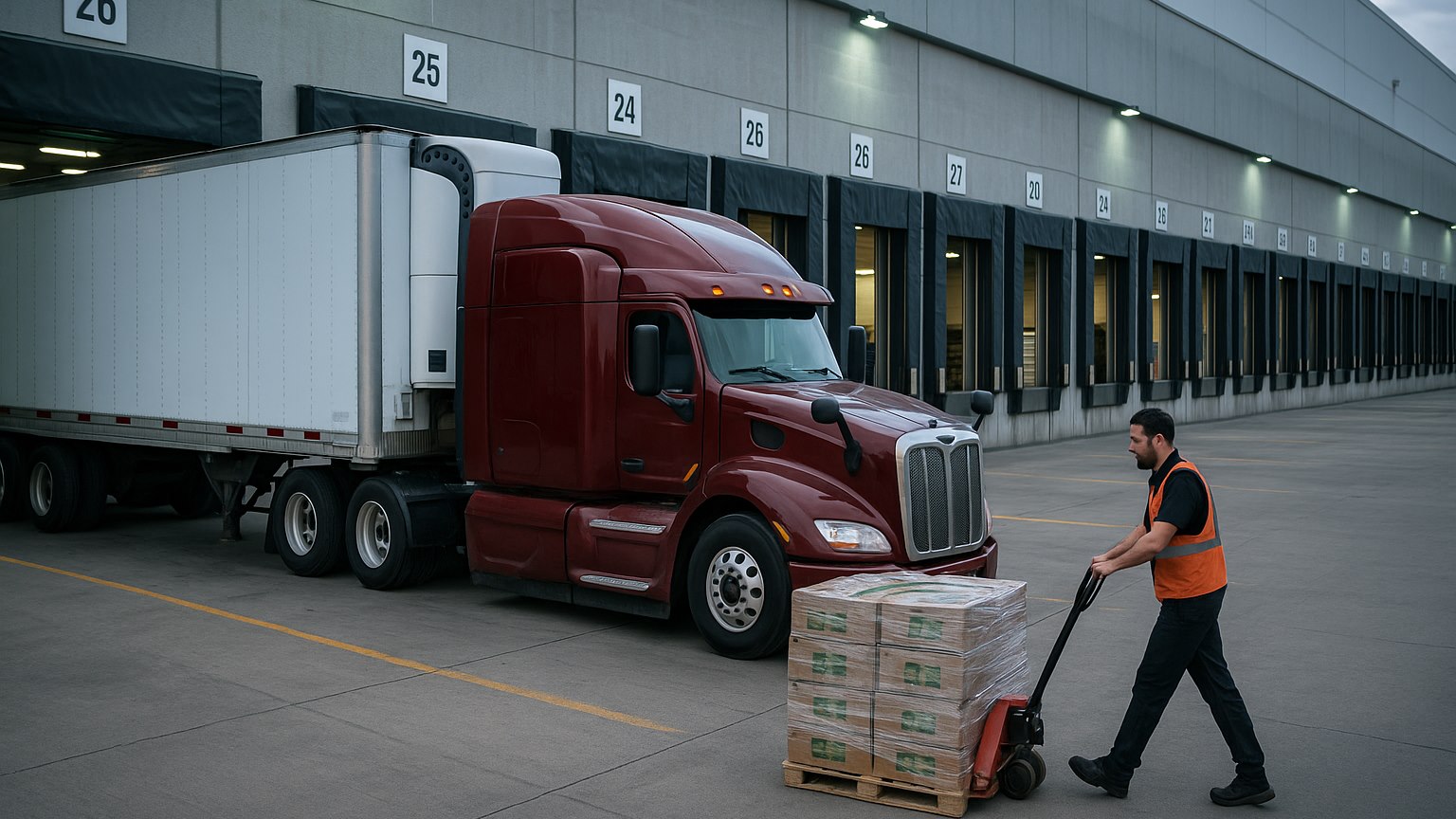
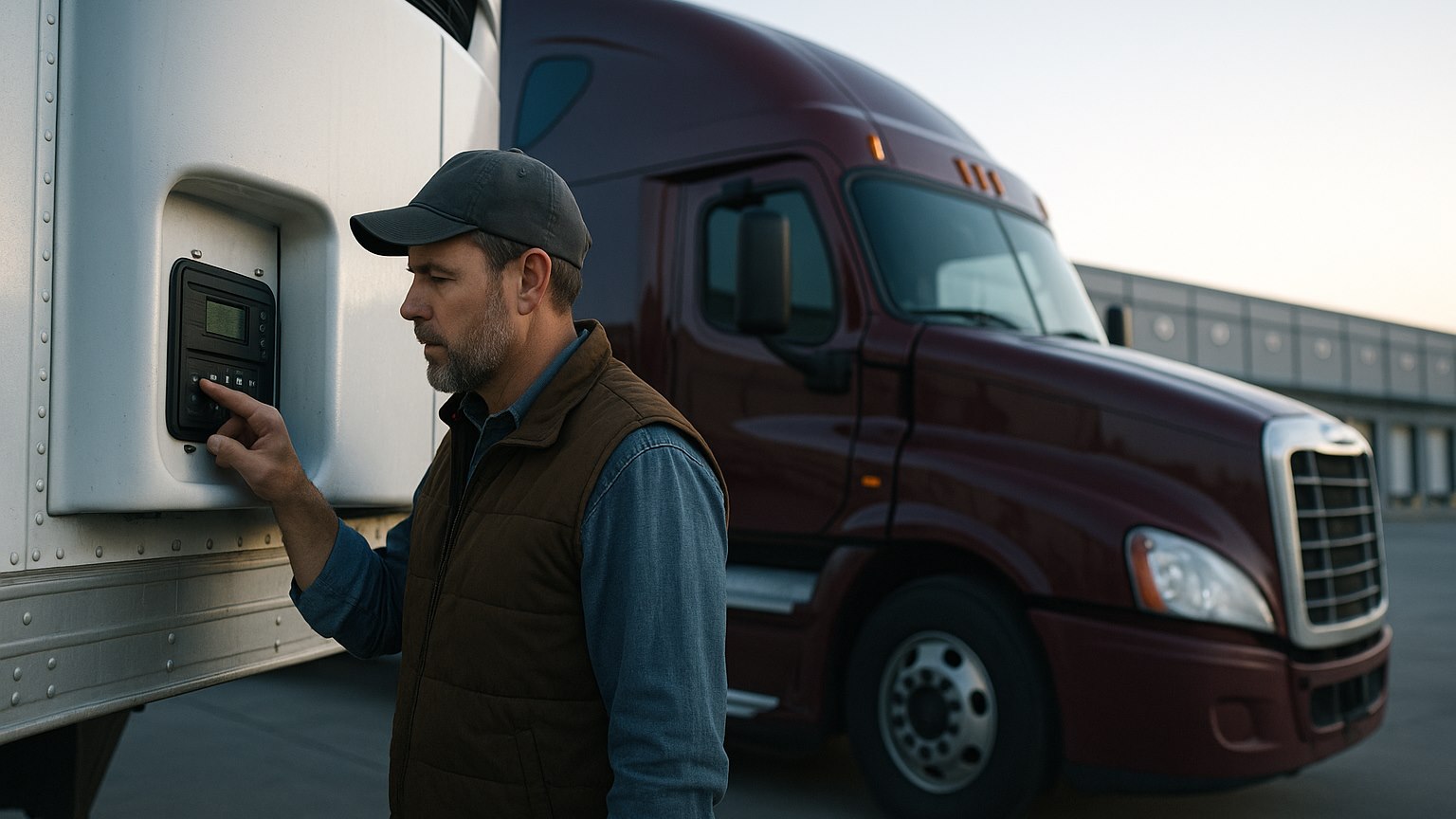
Keep the door time short. Have the pallets for that stop ready at the doors, open when the dock is ready to take them, and close as soon as the last one is off. Many shippers and receivers ask drivers to switch the unit off while the doors are open, because a running unit blows cold air out the back and pulls warm, humid dock air across the coil. Follow the rule at each dock and remember to turn the unit back on before you pull away. A unit left off between stops is one of the easiest ways to lose a load.
After the doors close, the unit needs time to bring the air back down. On produce, continuous mode keeps air moving through the load. The settings themselves are covered in our guide to how to run a reefer unit. At ASTEL drivers check the load temperature and the unit 2–3 times a day on any run. On a multi-stop day, add a check after every stop, so you can show the air was back on target before the next delivery.
The paper trail protects you at every door
Federal rule 21 CFR 1.908(e)(2) lets the receiver ask for the operating temperature the shipper specified. If the shipper or receiver asks, the carrier must show that it kept the load at that temperature. That can be done with the air temperature at loading and unloading or with time and temperature data from the trip. The unit's download or the telematics record is that data, and a photo of the display at each stop backs it up.
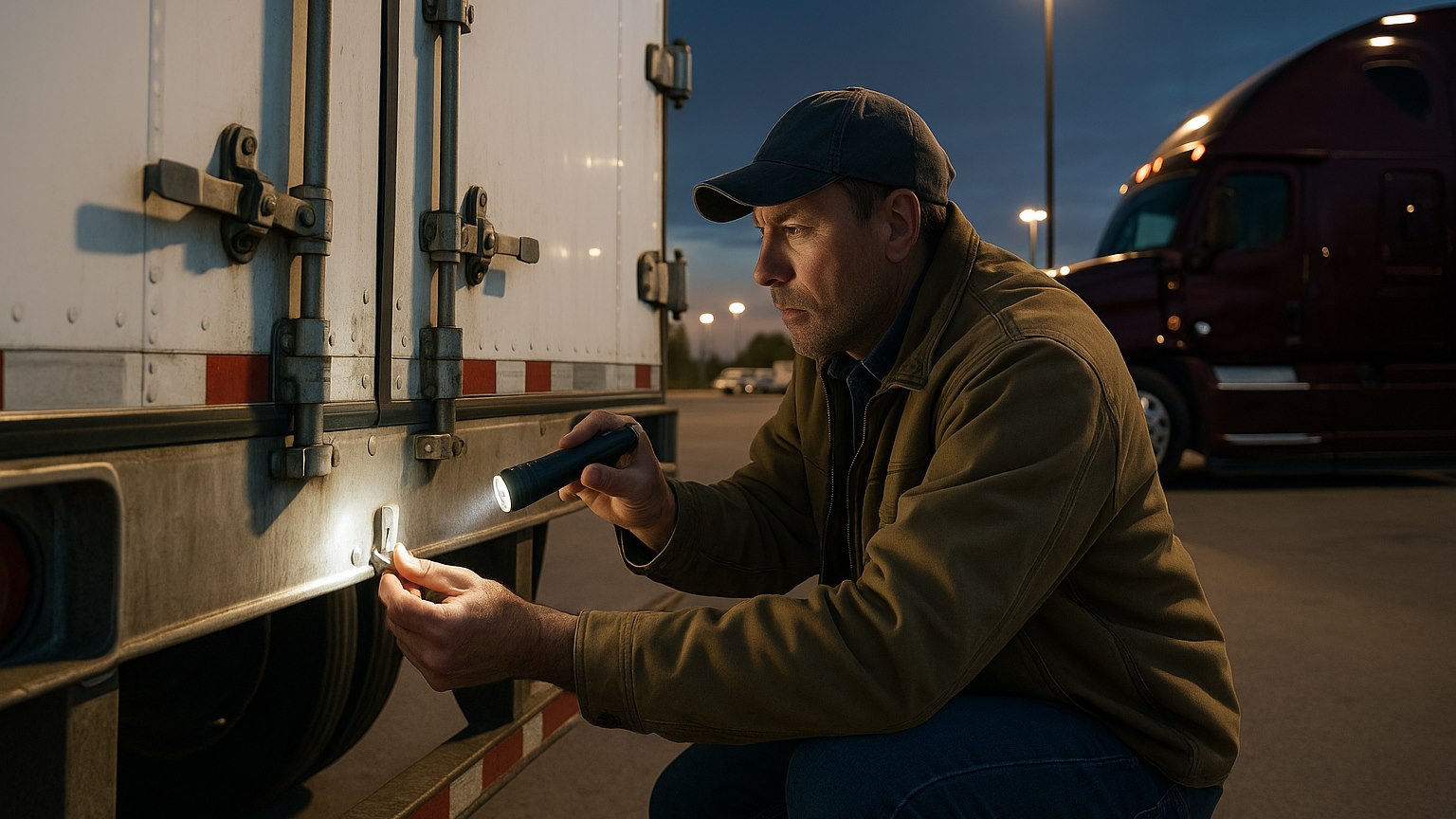
Seals tell the other half of the story. At pickup, the seal number goes on the BOL. When the first receiver breaks it, the load is open until you close it again. Put on a new seal before you leave the dock, write the number on the BOL and on the receiver's paperwork, and ask the receiver to sign next to it. At the next store, an intact seal with a matching number shows nobody opened the trailer in between.
Count with the receiver at every stop. If a pallet is short or a case is crushed, note it on the receipt before you sign. Shortages discovered later at a different store are much harder to explain. Our article on grocery warehouse deliveries and lumpers covers what to expect at the dock itself.
The pallets left in the trailer have to stay put
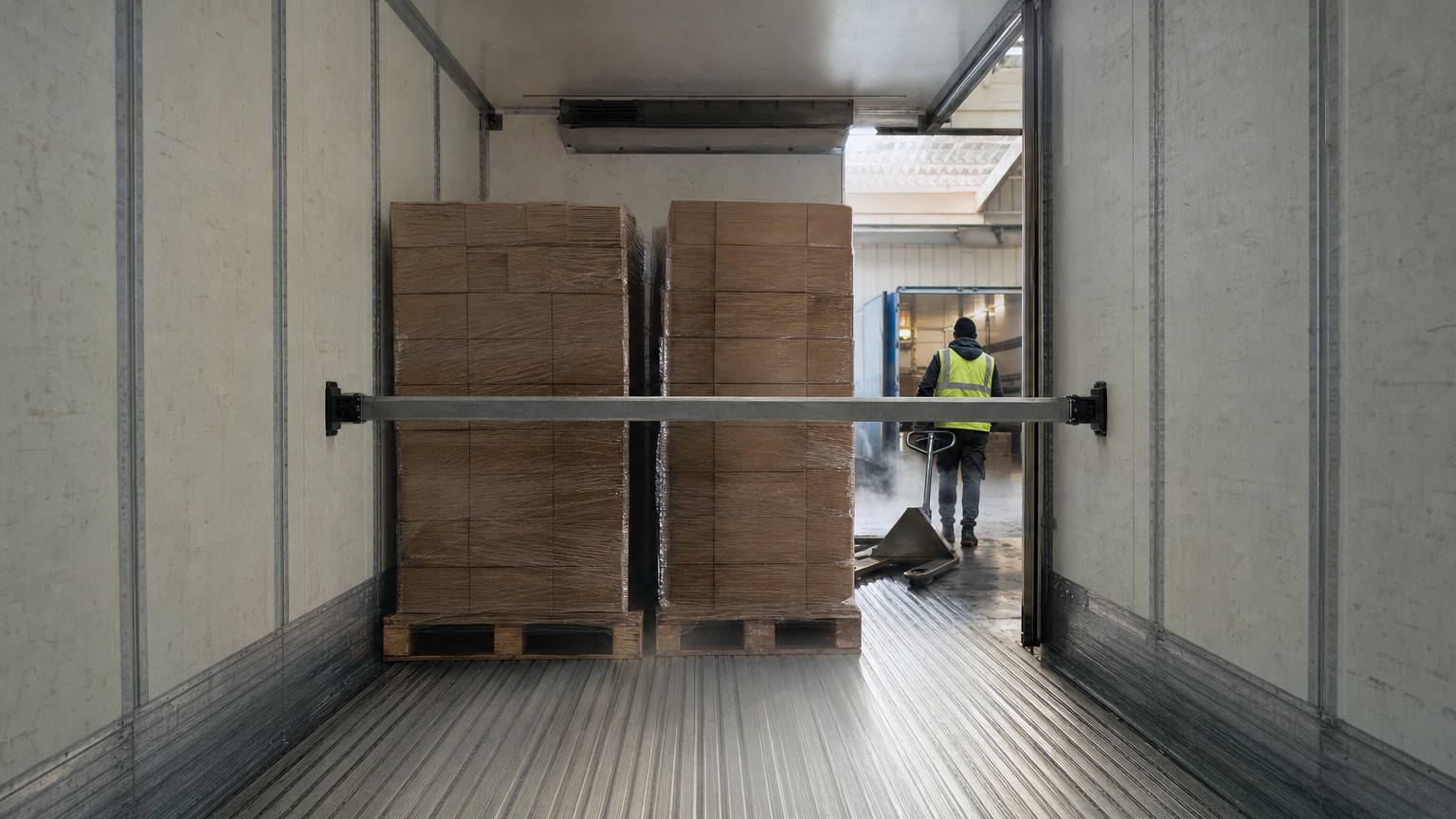
After stop 1, a gap opens at the doors. After stop 2 it grows. The pallets that are left can slide back on a hard stop or tip on a curve, and under 49 CFR 393.100(b) cargo must be secured so it doesn't shift in a way that hurts the truck's stability or handling. Set a load bar or two right behind the last row after each delivery, or strap the rows if the trailer has logistic track. A load bar costs little. A tipped pallet of yogurt costs a claim.
Axle weights change too. Each drop takes weight off somewhere, and if the pallets that remain sit forward, the drive axles can go over the federal limit of 34,000 pounds for a tandem even when the gross weight is far below 80,000. If a scale is coming after a drop, think about where the remaining weight sits, and slide the tandems if needed. Our guide to weigh stations and axle weights shows how to read the numbers.
One late stop moves the rest
Multi-stop days run on a chain of appointments. If the first receiver keeps you three hours, the 10 a.m. slot in Columbus is gone, and the rest of the day moves with it. Call dispatch as soon as the first stop runs late, not when you are already missing the second. A dispatcher can call ahead to the next receivers and rebook while you are still at the dock, and ASTEL's dispatch answers 24/7, so that call works at 5 a.m. too.
Get the in and out times signed at each stop. They are your record if the waiting time is paid under the carrier's terms, and they show why a later appointment was missed. How waiting is handled in trucking generally is covered in our article on detention and layover pay.
Plan your hours with the whole chain in mind. Four stops can eat a 14-hour window fast, and the last store's appointment doesn't move just because the first one ran late.
How multi-stop work pays at ASTEL
ASTEL hauls reefer freight year-round, and multi-stop runs are part of that. Each extra stop pays $50. In April through July, when freight is lighter, runs get shorter and extra stops more frequent, and the company adds pay for short miles to drivers who meet its expectations. On the four-store run above, the three stops after the first one add $150.
A clean multi-stop run also keeps receivers asking for the same carrier. Fewer claims, fewer calls to dispatch and signed paperwork at every stop matter more on these loads than on a single drop. If you want to know what else to watch with produce and dairy, our reefer freight tips cover the common reasons a load gets rejected.
Frequently asked questions
How should a multi-stop reefer load be loaded?
In reverse order of delivery. The last stop's pallets go to the nose of the trailer and the first stop's pallets to the doors, so each receiver can unload without moving freight for later stops.
Do you need a new seal after each stop?
Yes, in practice. Once a receiver breaks the seal, put on a new one before you leave, write its number on the BOL and the receiver's paperwork, and get it signed. An intact seal with a matching number shows the trailer was not opened between stops.
Should the reefer unit be off when the doors are open?
Many shippers and receivers require it, because a running unit pushes cold air out and pulls warm, humid air across the coil. Follow the rule at each dock and turn the unit back on before pulling away.
What happens if product arrives warm at a later stop?
Under the FDA sanitary transportation rule, the receiver checks for temperature abuse and can refuse food that may be unsafe. Your temperature records from each stop and the unit's data download are how you show the load stayed at the shipper's set point.
How much does ASTEL pay for an extra stop?
$50 per extra stop. In April through July, when runs are shorter and stops more frequent, the company also adds pay for short miles to drivers who meet its expectations.
Reefer runs with paid extra stops
ASTEL is a family-owned carrier out of Chicago running refrigerated freight year-round on late-model Volvo trucks, with our own repair shop and mechanics, 24/7 dispatch and a direct line to the owner. Drivers earn $90,000–$110,000 a year — $2,400–2,700+ a week gross, a flat $0.80 per mile for drivers with 1+ year of experience, all miles paid ZIP-to-ZIP, weekly pay, plus $50/$200/$500 bonuses for clean DOT inspections.
Apply in 2 minutes →Sources: 21 CFR 1.908, Sanitary Transportation of Human and Animal Food, paragraphs (a)(6), (b)(2), (d) and (e) (eCFR, November 2026); 49 CFR 393.100 (eCFR, November 2026); 23 U.S.C. 127 (federal axle and gross weight limits); ASTEL driver terms (extra stop pay, seasonal schedule). The run described in the callout is an illustrative example, not a specific load. Receiver rules on unit operation and seals vary by facility. Current as of November 2026. General information, not legal advice.